A stair rail has one job before it has any right to look good: it must feel trustworthy under your hand. The right staircase railing material can make an outdoor entry, deck stair, garage step, or backyard landing safer without turning the space into something stiff or commercial. For most U.S. homeowners, the best choice comes down to climate, maintenance patience, budget, local code, and the style of the home. A cedar rail may suit a Craftsman porch in Oregon, while powder-coated aluminum may make more sense near a humid Gulf Coast backyard.
That is where smart planning matters. Before buying posts or panels, think about who uses the stairs at night, how snow or rain hits the steps, and whether the rail needs to match an older porch. Homeowners comparing home improvement planning guides often miss one small truth: the safest rail is the one people naturally reach for. Beauty helps, but grip, height, spacing, and durability decide whether the project holds up after the first season.
Wood, Metal, Vinyl, and Composite Choices for Real Homes
Material choice gets messy because outdoor stairs live harder than indoor ones. They take sun, rain, ice, wet gloves, muddy hands, and the occasional kid swinging from the lower rail. A railing that looks clean in a showroom can become annoying when it needs sanding every spring or shows rust at each screw head. That is why the first pass should not be “What looks best?” It should be “What will still feel solid five years from now?”
When natural wood still earns its place outside
Wood remains the most familiar choice because it belongs on porches, decks, and older American homes. Pressure-treated pine keeps costs down, cedar brings warmth, and redwood offers a richer look in regions where it is easy to source. If your house has wood siding, a raised deck, or a classic front stoop, a painted or stained wood rail can feel built-in rather than added later.
The catch is maintenance. Wood moves. It checks, cups, fades, and absorbs moisture at cut ends. A homeowner in Minnesota may deal with freeze-thaw stress, while someone in North Carolina may fight humidity and mildew. The rail can still last, but only if the installer seals exposed cuts, uses exterior-rated fasteners, and keeps water from sitting where posts meet treads or landings.
The non-obvious advantage of wood is repairability. If a baluster cracks or a top rail gets damaged, a carpenter can often replace one piece without tearing out the whole run. That matters on older porches where custom angles, uneven masonry, or historic trim make factory rail systems harder to fit.
Why metal rails often win on slim profiles
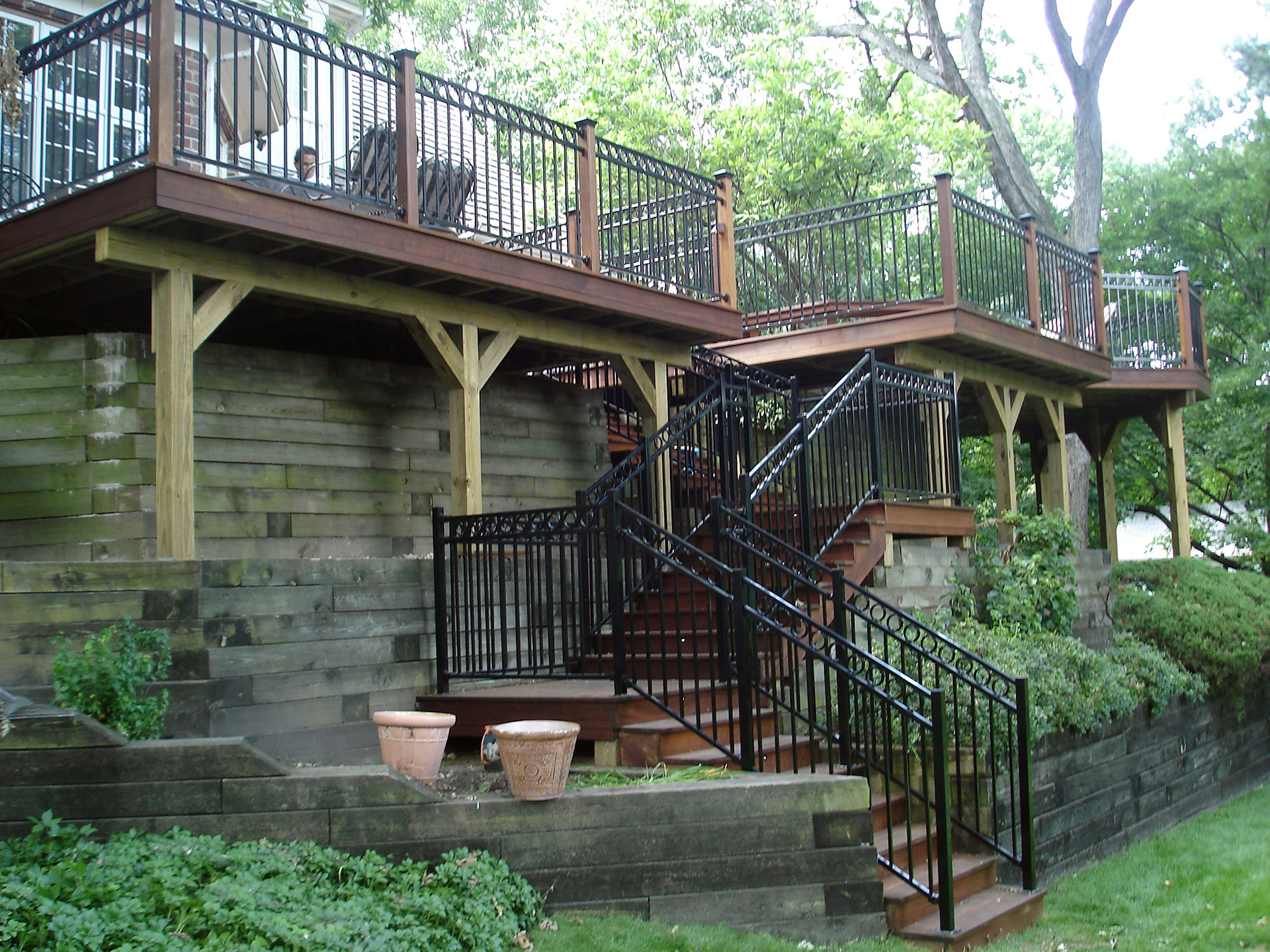
Metal works well when you want strength without visual bulk. Aluminum is light, rust-resistant, and common in black or bronze finishes. Steel feels heavier and can handle a more industrial look, but it needs proper coating outdoors. Wrought iron has character, yet old iron rails can hide rust where paint bubbles around joints.
For many exterior handrail options, aluminum has become the practical middle lane. It does not ask for the same upkeep as wood, and it can suit both new decks and brick front steps. A matte black rail on a white farmhouse porch feels crisp. The same profile beside concrete steps at a suburban split-level can look clean without drawing attention.
The small trap is heat and cold. Metal can feel harsh in winter and hot under strong summer sun, depending on finish and exposure. That does not make it a bad choice. It means touch matters. A rounded top rail with a comfortable grip can make a metal system feel safer than a wide flat cap that looks sharp but feels awkward when your hand slides along it.
Choosing Staircase Railing Material for Climate, Code, and Use
The rail you choose should match the weather before it matches the paint color. Salt air, snow melt, intense sun, and heavy rain all punish outdoor parts in different ways. Local code also shapes the project. Many U.S. areas base residential stair and guard rules on versions of the International Residential Code, while public or commercial spaces may face stricter accessibility rules. The safest move is to check your local building department before ordering parts, especially for raised decks, rental properties, and front entries used by guests.
What rain, snow, salt, and sun do to rail systems
Climate has a way of exposing weak choices. In coastal Florida, unprotected steel can stain nearby concrete as corrosion starts. In Arizona, dark vinyl may expand and fade under strong sun. In Chicago, water that enters a post sleeve can freeze, swell, and loosen connections. The railing may look fine from ten feet away while the fasteners tell the truth.
Weather resistant railings are not all equal. Aluminum resists rust well, but cheap coatings can chalk or scratch. Composite can handle moisture better than bare wood, but it still needs proper support inside the rail. Vinyl avoids rot, yet it can feel less firm if the system uses thin parts or wide post spacing.
A good test is to look at the weakest point, not the prettiest part. Ask how the post mounts to the stair stringer, concrete, deck frame, or landing. Ask what fasteners come with the system. Ask whether cut ends need caps or sealant. The strongest rail style can fail early when water finds a pocket around a base plate.
Why code should shape the look before installation starts
Style choices can collide with safety rules fast. A wide-open modern rail may look airy, but spacing limits exist to reduce fall risks. Handrails also need a shape people can grip. A broad decorative cap may look nice along a porch, yet it may not work as the required handrail if fingers cannot wrap around it.
The U.S. Access Board stairway guidance is a useful reference for understanding how handrails support safer stair use, especially in public settings. For private homes, your city or county may enforce different residential rules, so do not treat one online guide as the final answer.
Here is the counterintuitive part: code can improve design. Once height, grip, and spacing are settled, the rest gets easier. You stop guessing. You can compare exterior handrail options by finish, profile, and maintenance instead of falling for a style that later needs expensive changes.
Matching Railing Style to the House Without Losing Function
A railing can either calm the outside of a home or make it feel patched together. The best designs do not scream for attention. They connect the stair, door, porch, siding, trim, and landscape into one clear picture. Still, function leads. A beautiful rail that feels shaky, catches sleeves, or blocks the wrong view will annoy you every day.
How to pair railing profiles with common U.S. home styles
For a Colonial or Cape Cod home, painted wood or simple black metal often feels right because the lines are familiar. A Craftsman bungalow can handle thicker posts, square balusters, and warmer wood tones. A midcentury ranch may look better with slim metal rails that keep the entry low and horizontal. Newer farmhouse styles often use black aluminum with square posts because it echoes window grids and outdoor lighting.
Deck stair railing choices should also match the deck surface. Composite deck boards paired with peeling wood rails make the whole structure feel older than it is. On the other hand, a full metal rail on an old cedar deck can look too sharp unless the home has other black accents nearby.
One useful trick is to match the rail to the permanent parts of the house, not the seasonal decor. Door hardware, window frames, gutters, roof color, and masonry last longer than outdoor cushions or planters. If the railing picks up one of those fixed details, it tends to age better.
When glass, cable, and mixed materials make sense
Glass and cable rails get attention because they preserve views. They can work well on lake homes, hillside decks, and modern stairs where bulky balusters would interrupt the scene. Cable can also make narrow stairs feel less boxed in. Glass blocks wind better, which can help on exposed decks.
Neither choice is magic. Cable systems need proper tension, sturdy posts, and careful installation. Glass needs cleaning, safe panel design, and hardware that can handle outdoor exposure. In snowy areas, glass near stairs may show every splash of slush. Near trees, pollen and water spots can become a weekly chore.
Mixed materials often solve the problem better than one dramatic feature. A wood top rail over metal balusters can soften a deck. Aluminum posts with cable infill can keep the view open while reducing upkeep. A simple metal handrail beside masonry steps can look better than forcing a full decorative guard where the stair does not need it.
Cost, Maintenance, and Long-Term Value by Material
The cheapest rail at purchase is not always the cheapest rail to own. Outdoor projects collect small costs: stain, paint, replacement screws, sanding pads, cleaner, caps, brackets, and repair labor. A homeowner who enjoys weekend maintenance may accept that. Someone managing a rental, Airbnb, or busy family home may prefer a higher upfront cost with fewer chores.
What each option asks from your budget after installation
Wood often starts lower in price, especially with pressure-treated lumber. It also gives flexible design control. You can match trim, adjust details on site, and repair small parts. The long-term cost comes from finishing. Paint and stain do not last forever outdoors, and horizontal surfaces break down faster because sun and water sit on them.
Vinyl can appeal when you want a bright, clean look with low upkeep. It works best on homes where white trim already plays a large role. The downside is feel. Some vinyl systems seem too light on tall stairs or exposed decks, so choose a product with good internal support.
Composite and capped composite rails sit in the middle-to-upper range. They pair well with modern deck projects and resist rot better than plain lumber. Aluminum usually costs more than basic wood but pays back through low maintenance. Steel and custom iron can climb higher, especially when fabrication, welding, or masonry anchoring enters the job.
How to choose for rental homes, family homes, and aging-in-place
Use should drive the final call. For a rental home, durable finishes and easy replacement parts matter. A black aluminum rail with standard parts may beat a custom wood design because repairs are simpler between tenants. For a family home, grip comfort and visibility at night may matter more than a perfect style match.
For aging-in-place, think beyond the rail itself. The handrail should be easy to grasp, continuous where possible, and visible against the background. A dark rail against pale siding can help at dusk. Good lighting also turns a decent rail into a safer system. Pair this decision with outdoor lighting ideas for safer entries when planning the whole stair zone.
Weather resistant railings matter most when the stair is used daily. A back deck stair that leads to the driveway may see more wear than the front porch guests use once a month. That is why deck stair railing plans should include how people move through the property, not only how the railing looks in photos. For related planning, connect this project with deck safety upgrades before you choose posts and panels.
Conclusion
A good outdoor stair rail should not make you think about it every time you use the steps. It should feel steady in rain, clear at night, and natural beside the home. Wood gives warmth and repair flexibility. Aluminum brings low upkeep. Composite and vinyl reduce rot concerns. Steel, iron, cable, and glass can work when the setting supports them.
The best staircase railing material is the one that fits your weather, your users, your code rules, and your patience for upkeep. Style still matters, but it should come after grip, spacing, anchoring, and long-term wear. Start with the stair’s daily job, then choose the look that supports it. Walk the stairs at night, in wet weather, and with one hand full before you commit. That small test will tell you more than a showroom wall ever could. Build the rail people will trust before they notice it.
Frequently Asked Questions
What is the best material for outdoor stair railings?
Aluminum is often the best all-around choice for low upkeep, clean style, and strong weather resistance. Wood works better when warmth and custom details matter. Composite suits many deck projects. The best pick depends on climate, budget, stair height, and local code.
Are wood railings safe for exterior stairs?
Yes, when built with proper posts, fasteners, spacing, and finish. The weak point is usually moisture, not the wood itself. Seal cut ends, keep posts from trapping water, and inspect for cracks or looseness each year.
How long do metal outdoor railings last?
A well-coated aluminum or steel rail can last many years outdoors. Aluminum resists rust better, while steel needs stronger coating and faster repair when paint chips. Salt air, snow melt, and poor drainage can shorten the life of any metal system.
Is vinyl railing good for outdoor stairs?
Vinyl can work well for low-maintenance porch or deck stairs, especially on homes with white trim. Choose a system with solid internal support. Thin vinyl parts can feel less firm, which is not ideal for tall stairs or busy entries.
Do I need a handrail on both sides of exterior stairs?
Rules vary by location and property type. Many residential stairs need at least one handrail once they reach a certain number of risers, while public spaces may require more. Check your local building department before installation.
What railing style is best for a deck with a view?
Cable, glass, or slim aluminum balusters can protect the view better than thick wood pickets. Cable needs careful tensioning, and glass needs cleaning. For many homes, slim black aluminum gives a good balance of openness, price, and upkeep.
How do I make outdoor stairs safer for older adults?
Use a rail that is easy to grip, steady under pressure, and visible against the background. Add lighting, fix uneven treads, and avoid slippery finishes. A continuous rail helps because the hand does not need to search between sections.
Can I mix wood and metal in an exterior railing?
Yes, and it often looks better than using one material everywhere. A wood top rail can soften metal balusters, while metal posts can add strength. The key is using exterior-rated parts and preventing water from sitting between connected materials.