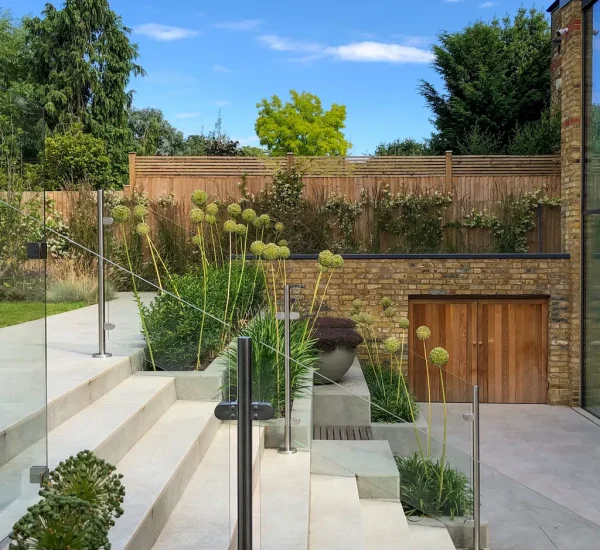
A courtyard can change the whole mood of a home before anyone reaches the front door. It is not extra space; it is breathing room with walls, light, texture, and purpose. The best Courtyard Focus Ideas begin with a simple truth: even a narrow outdoor pocket can feel intentional when every element has a reason to be there. A bench under filtered shade, a clay pot near a textured wall, or a slim water bowl beside the entry can turn unused space into the place people remember. For homeowners, designers, and brands sharing outdoor inspiration through trusted platforms like home improvement visibility, courtyards offer one of the richest design stories because they mix beauty with daily life. The goal is not to copy resort-style patios or force luxury into a modest footprint. The goal is to create a space that feels calm, useful, and personal every time you pass through it.
Courtyard Focus Ideas That Start With Purpose
A strong courtyard never begins with furniture. It begins with a decision about what the space should do for you. Some courtyards are made for morning coffee, some soften a hard entryway, and some give a small home the feeling of an extra room without adding walls. The mistake many people make is buying attractive pieces first and asking the space to make sense later. That rarely works. Purpose gives the courtyard discipline, and discipline is what keeps it from becoming a random collection of pots, chairs, stones, and lights.
Small Courtyard Layout Choices That Create Breathing Room
A small courtyard layout needs restraint more than decoration. When space is tight, every object either opens the area or crowds it. A slim bench against one wall often works better than two bulky chairs placed in the middle, because it keeps the walking path clean and gives the eye somewhere to rest.
Scale matters more than price here. A narrow planter with tall grasses can make a compact courtyard feel taller, while a wide coffee table can make the same space feel trapped. The best move is to leave one clear visual lane from the entry point to the farthest wall. That line gives even a tiny courtyard a sense of depth.
A small courtyard layout also benefits from edges that work harder. Built-in ledges, corner planters, wall-mounted lights, and folding stools save floor space without making the design feel stripped down. The trick is to make the boundaries useful, not busy.
Outdoor Seating Area Decisions That Shape Daily Use
An outdoor seating area should match real habits, not fantasy habits. A family that eats outside twice a year does not need a full dining setup taking over the courtyard. A single deep chair, a side table, and soft lighting may serve the home better every single week.
Comfort also depends on placement. Seats facing a blank wall can feel awkward unless the wall has texture, greenery, art, or shadow play. Seats angled toward a doorway, tree, water feature, or fire bowl feel more natural because they give people something to look toward without forcing conversation.
An outdoor seating area becomes stronger when it has a clear anchor. That anchor might be a low table, a raised planter, a sculptural pot, or a patterned outdoor rug. Without one, seating can feel like it was dropped into the courtyard instead of belonging there.
Using Light, Shade, and Texture to Give the Courtyard Character
Once the purpose is clear, the courtyard needs atmosphere. Light, shade, and surface texture do more emotional work than most people realize. A plain courtyard with smart lighting can feel richer than an expensive one lit badly. A shaded corner can feel cooler, calmer, and more private than a sunny space filled with furniture. Texture adds the last layer because it gives light something to touch.
Modern Patio Design Lessons for Courtyard Light
Modern patio design often succeeds because it treats lighting as architecture, not decoration. Wall washers, low path lights, and warm uplights can define the courtyard after sunset without turning it into a stage. Bright overhead lighting usually ruins the mood because it flattens every surface and makes people feel exposed.
Layered light works better. A soft glow near the seating, a small light on a feature wall, and a low fixture near planting can create depth without glare. The space feels safer, but it still feels intimate.
Modern patio design also favors shadow. That may sound odd, but shadow gives a courtyard its rhythm. Slatted screens, tree branches, pergolas, and textured walls create changing patterns through the day. A courtyard that shifts from morning to evening feels alive, not staged.
Garden Courtyard Style Through Materials and Surfaces
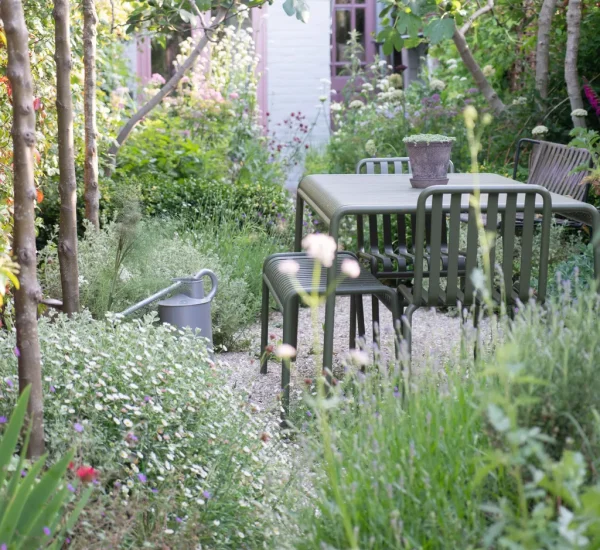
Garden courtyard style depends on how materials speak to each other. Smooth concrete beside rough stone can feel clean and grounded. Timber against white plaster can feel warm without becoming rustic. Terracotta pots near gravel paths can bring age and softness to a newly built home.
Texture should not compete everywhere at once. A courtyard with patterned tiles, busy furniture, bright cushions, mixed stones, and several plant types can exhaust the eye. One dominant texture and two supporting textures usually feel stronger than five loud choices fighting for attention.
Garden courtyard style becomes more convincing when materials weather well. Stone, clay, timber, limewash, gravel, and metal with a natural patina often look better over time. Plastic finishes and thin faux surfaces tend to reveal themselves quickly, especially under sun, rain, and dust.
Planting Strategies That Make Any Courtyard Feel Alive
Plants are often treated as decoration, but in courtyards they are closer to structure. They soften walls, filter light, create privacy, and pull the space into the seasons. The right planting can make a small courtyard feel deeper and a large one feel more intimate. The wrong planting can make maintenance a burden and turn the design into a tired corner faster than any chipped tile.
Choosing Plants for Scale, Climate, and Patience
Plant choice should begin with climate, not color. A plant that struggles in your weather will never look elegant for long, no matter how good it looked at the nursery. Courtyards often have heat pockets, shade traps, wind tunnels, or poor drainage, so the planting plan has to respect the microclimate.
Scale comes next. One small tree in a large pot can do more for a courtyard than ten scattered plants in mismatched containers. Height gives privacy, movement, and shade. Low planting then fills the base without stealing attention.
Patience matters more than instant fullness. Overstuffed planting looks good for a few weeks, then becomes hard to manage. Give plants room to mature, and the courtyard will age with grace instead of demanding constant correction.
Creating Layers Without Turning the Space Into a Jungle
Layering gives planting depth, but clutter kills the effect. A strong courtyard planting plan usually has three levels: something tall, something mid-height, and something low or trailing. That structure gives the eye a path to follow.
Tall elements might include an olive tree, bamboo screen, palm, ornamental grass, or trained climber. Mid-height planting can come from shrubs, sculptural succulents, or large leafy plants. Low planting can soften edges, spill over pots, or frame a walkway.
The unexpected move is leaving some surfaces bare. A clear wall, an empty patch of gravel, or a simple paved corner can make the plants look more deliberate. Greenery needs contrast. Without it, even beautiful planting turns into visual noise.
Details That Turn a Courtyard Into a Place You Use
The final layer is not about adding more. It is about choosing the details that make the courtyard easy to live with. A space can photograph well and still fail if the seat is uncomfortable, the floor gets slippery, or the lights are annoying to switch on. Good courtyard design respects daily friction. It removes small irritations before they become reasons to avoid the space.
Storage, Movement, and Maintenance That Stay Invisible
Storage rarely sounds exciting, but it protects the mood of the courtyard. Cushions, garden tools, candles, watering cans, and outdoor throws need somewhere to go. A bench with hidden storage or a slim cabinet near the door can prevent the space from becoming a drop zone.
Movement deserves the same care. People should be able to cross the courtyard without stepping around chairs, squeezing past pots, or dragging furniture aside. Clear circulation makes the space feel generous even when the square footage is modest.
Maintenance should be designed into the plan from the start. Choose washable surfaces near dining areas, hardy plants near high-traffic edges, and drainage that works before the first heavy rain tests it. Beauty fades fast when upkeep becomes a chore.
Personal Touches That Feel Collected, Not Forced
A courtyard becomes memorable when it carries a few personal marks. That might be a handmade ceramic bowl, a carved stool, a vintage lantern, a painted wall niche, or a plant grown from a cutting someone gave you. These details give the space a pulse.
Personal does not mean crowded. One meaningful object can say more than a dozen themed accessories. The courtyard should not look like a store display. It should feel like someone with taste and patience made decisions over time.
The strongest spaces leave room for change. A courtyard that can shift with seasons, gatherings, and quiet mornings will serve you longer than one locked into a perfect arrangement. Real homes move. Good courtyards move with them.
Conclusion
A courtyard succeeds when it feels intentional without feeling stiff. You do not need a large budget, a large footprint, or a dramatic architectural feature to make that happen. You need a clear purpose, honest materials, climate-aware planting, and details that support the way you actually live. That is where the best Courtyard Focus Ideas earn their value: they turn overlooked space into daily pleasure. Start with one decision before buying anything. Decide whether your courtyard should calm, welcome, gather, shade, frame, or retreat. Once that purpose is clear, every chair, plant, light, and surface has a job. Walk into the space today, remove what weakens it, and build around the one feeling you want it to give back every time you enter.
Frequently Asked Questions
What are the best courtyard focus ideas for small homes?
Choose one main purpose first, such as seating, greenery, privacy, or entry appeal. Then keep the layout simple. A wall bench, tall planter, soft lighting, and one focal feature can make a small courtyard feel calm and complete without crowding the space.
How do I plan a small courtyard layout that feels open?
Keep the center as clear as possible and push larger pieces toward the edges. Use vertical planting, slim furniture, and one clean sightline from the entry to the far wall. This creates depth and keeps the courtyard from feeling boxed in.
What makes modern patio design work in a courtyard?
Clean lines, layered lighting, durable materials, and restrained furniture make modern patio design effective. The space should feel edited, not empty. Warm textures and plants are still needed, or the courtyard may feel cold instead of refined.
How can I create an outdoor seating area in a narrow courtyard?
Use built-in or wall-hugging seating to save floor space. Add a small side table instead of a large central table. Angle the seating toward a plant, feature wall, or doorway so the setup feels natural rather than squeezed into place.
Which plants are best for garden courtyard style?
Choose plants that suit your climate and light conditions first. Small trees, ornamental grasses, climbers, succulents, ferns, and hardy shrubs can all work depending on exposure. The best garden courtyard style comes from healthy plants, not the widest variety.
How do I make a courtyard feel private without closing it in?
Use layered screening instead of solid barriers. Tall planters, trellis panels, climbing plants, slatted timber, and small trees can block views while still letting air and light through. Privacy feels better when the space still breathes.
What courtyard lighting ideas are best for evening use?
Warm, low-level lighting works best. Use wall lights, path lights, lanterns, or uplights near plants and textured surfaces. Avoid harsh overhead fixtures, because they flatten the space and make the courtyard feel exposed rather than relaxed.
How can I improve a courtyard without major renovation?
Remove clutter first, then upgrade the pieces that shape the mood. Add better seating, fresh planters, warm lighting, or a textured feature wall. Small changes feel bigger when they support one clear purpose instead of competing for attention.