A yard can look expensive and still feel oddly unused. That usually happens when the space has plants, seating, lights, and decor, but no clear reason for the eye or the body to settle anywhere. The smartest courtyard focus changes do not start with buying more things; they start with deciding what the yard should make you feel when you step outside. A small patio can feel calm, social, private, or open, but it cannot do all of that at once without turning into visual noise.
Better outdoor spaces depend on restraint. One strong seating area, one clear view, one useful path, and one mood after sunset will beat a crowded yard every time. Homeowners often chase inspiration photos and forget that real yards have laundry doors, hose reels, uneven shade, noisy neighbors, and awkward corners. Design has to work with those facts, not pretend they are not there. For broader home and lifestyle visibility, brands often use digital PR campaigns to connect design ideas with audiences who care about better living spaces. Your yard needs the same kind of clarity: one message, well delivered.
Start With the Main View Before Changing the Layout
The first mistake people make in yard design is treating every corner as equally important. That sounds fair, but it creates a flat space with no visual pull. A courtyard needs a lead actor. Everything else should support that role quietly, whether the main view is a dining table, a tree, a water bowl, a fire feature, or a clean wall with climbing greenery.
Better Yard Layout Ideas That Begin at the Door
The best place to judge a courtyard is not from the middle of it. Stand where you first see it: the kitchen door, back hallway, bedroom window, or side gate. That first glance tells you what the yard is actually saying. If your eye lands on storage bins, a blank fence, or the back of a chair, the layout is working against you before you even step outside.
A strong view does not need drama. A round table under a small tree can carry the whole space when it sits in the right line of sight. So can a bench against a textured wall, especially when planters frame it instead of crowding it. The trick is to place the most attractive element where the eye already wants to travel.
This is where many courtyard design ideas fail in real homes. People arrange furniture from a floor plan instead of from daily movement. A chair may look balanced on paper, yet block the most natural walking route from the door to the garden tap. Good design respects how you move when your hands are full.
Outdoor Focal Point Choices That Feel Natural
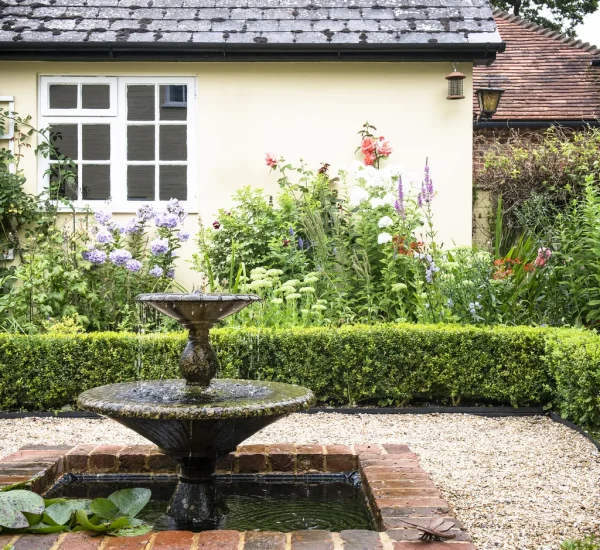
A focal point should not beg for attention. The strongest outdoor focal point often looks as if it has always belonged there. A weathered stone pot, a clipped shrub, a small fountain, or a low fire bowl can work because it gives the yard a center without shouting over everything else.
Scale matters more than price. A tiny ornament in a broad paved courtyard looks nervous, while a massive feature in a narrow patio feels bossy. Match the focal point to the viewing distance. If you see it from ten feet away, texture and shape matter. If you see it from thirty feet away, silhouette matters more.
The counterintuitive move is leaving some space around the feature. Empty ground makes the object stronger. Crowding it with five planters, two lanterns, and a decorative sign weakens the effect because the eye has to sort through clutter before it knows where to land.
Shape Comfort Through Boundaries, Not More Furniture
Once the main view has a clear anchor, comfort becomes the next battle. Many yards feel exposed not because they lack seating, but because they lack edges. People relax when a space feels held. That does not mean boxed in; it means the body understands where the room begins and ends.
Courtyard Privacy Tips Without Closing the Space
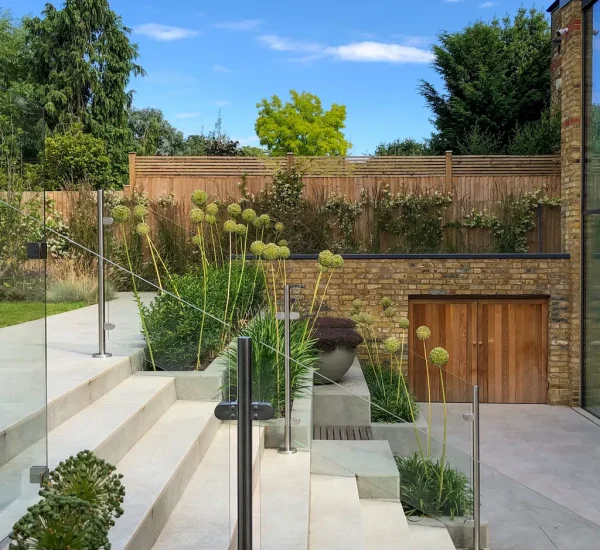
Privacy works best when it filters, not when it blocks. A solid wall may solve one problem and create another by making the courtyard feel smaller and hotter. Slatted screens, tall grasses, pleached trees, and layered shrubs can soften the view while still letting air and light pass through.
One neighbor-facing side often needs more attention than the entire yard. Instead of adding screens everywhere, identify the line that makes you feel watched. Treat that line with care. A narrow planter filled with upright greenery can change the mood faster than a full fence replacement.
Good courtyard privacy tips also consider sound. A small water feature near seating can blur street noise without turning the yard into a staged spa scene. Dense planting near hard boundaries can reduce echo, especially in paved courtyards where every chair scrape and conversation bounces around.
Patio Improvement Ideas That Create a Room Feeling
Furniture alone does not create an outdoor room. A rug, a low planter edge, a pergola beam, or a change in paving can define the room more cleanly than another chair ever could. The human brain likes boundaries. Give it a gentle outline, and the yard starts to feel settled.
A simple example: place two large planters behind a bench instead of beside it. That one move gives the seating area a back, which makes people feel less exposed. Add a small table within easy reach, and the space suddenly invites use rather than admiration from a distance.
The overlooked detail is height. Yards with everything at knee level feel unfinished. Bring in one vertical layer through a trellis, narrow tree, wall light, or climbing plant. Height gives the courtyard confidence, and confidence is what makes a small outdoor space feel intentional rather than leftover.
Make Materials Work Harder Than Decoration
After the yard has a view and a sense of enclosure, materials decide whether it feels calm or chaotic. Decoration gets the blame for clutter, but mixed materials usually cause the real mess. Too many paving tones, furniture finishes, pot colors, and fence stains can make even a tidy courtyard feel restless.
Small Courtyard Updates With Strong Material Discipline
Small courtyard updates should begin with editing, not adding. Choose one dominant material, one supporting material, and one accent. That may mean warm timber, pale stone, and black metal. It could mean brick, painted render, and terracotta. The exact mix matters less than the discipline behind it.
A courtyard with five different pot styles often looks cheaper than it is. Replace scattered containers with fewer, larger pieces in related tones. Plants will look healthier, watering becomes easier, and the whole space gains weight. Small yards need fewer decisions, not smaller objects.
Texture can carry the charm that color usually tries to fake. A rough limewashed wall beside smooth paving gives depth without visual shouting. A timber bench against leafy planting feels warmer than a plastic chair in a bright shade. Materials speak all day, even when nothing is blooming.
Garden Seating Design That Holds Up in Daily Life
Seating should match how you actually live, not how you imagine guests might behave once a year. A courtyard used for morning tea needs a different seat from one used for long dinners. A narrow bench with cushions may look charming, but it becomes annoying if every rain shower sends you running outside to rescue fabric.
Good garden seating design starts with posture. Upright chairs support eating and working. Deeper lounge seats suit slow evenings. Built-in benches save room, but they need back support or cushions to stay comfortable. Comfort is not a luxury detail; it decides whether the yard gets used.
This is the moment for one of the most practical courtyard focus changes: stop treating the seating as decoration. Place it where shade, view, privacy, and access overlap. A beautiful chair in the wrong corner becomes an outdoor sculpture. A plain chair in the right spot becomes part of your life.
Use Light and Planting to Change the Yard After Hours
A courtyard does not finish its job at sunset. In many homes, evening is the only time the yard gets used without heat, chores, or distractions. Lighting and planting decide whether that time feels peaceful or harsh. The goal is not brightness. The goal is atmosphere with enough function to move safely.
Outdoor Lighting for Yards That Feels Calm
Outdoor lighting for yards should never mimic a parking lot. One overhead floodlight can flatten every texture and make people feel exposed. Lower, warmer, layered light works better because it creates pockets instead of glare. Wall lights, step lights, lanterns, and uplights all play different roles.
Place light where it explains the space. Mark the path. Touch the tree trunk. Wash a textured wall. Glow under a bench. These small choices make the courtyard readable without making it loud. The best lighting lets you see faces at the table and still notice the night around you.
A useful rule is to light surfaces, not emptiness. Light hitting paving, leaves, water, or walls gives the eye something soft to read. Light blasting into open air wastes energy and creates glare. Once you notice that difference, you start seeing bad yard lighting everywhere.
Planting Layers That Keep Better Yards Alive
Plants should not behave like a green border around hard paving. They need to shape the yard, cool it, soften it, and guide attention. Better yards often use fewer plant types in stronger groups, which gives the space rhythm instead of a random collection of favorites.
Layering starts with structure. One small tree or tall shrub gives height. Mid-level planting adds body. Low ground cover or trailing plants soften the base. This arrangement feels natural because it mirrors how landscapes work outside the courtyard wall. Flat planting rarely feels alive for long.
Seasonal change matters, but not in the obvious way. You do not need constant flowers. You need enough shifts in leaf color, scent, shadow, and texture to make the yard feel worth revisiting. A courtyard that changes slightly through the year becomes part of your routine, not a static backdrop.
Better yards are not built from more objects; they are shaped by clearer choices. Once you know where the eye should land, where the body feels safe, which materials deserve attention, and how the space behaves after dark, the whole courtyard starts to work with you. The most valuable courtyard focus changes are often quiet: moving a bench, removing three small pots, lighting a wall instead of the air, or giving one plant enough room to matter. Start with the view you see most often, make one bold edit, and let the yard prove that calm design can still have character. A better outdoor space begins when you stop filling it and start directing it.
Frequently Asked Questions
What are the best courtyard focus changes for a small yard?
Start by choosing one main focal point, then remove anything that competes with it. A small tree, bench, fountain, or dining spot can guide the whole layout. Keep furniture lean, repeat materials, and leave open space so the courtyard feels calm instead of packed.
How do better yard layout ideas improve outdoor comfort?
Better yard layout ideas improve comfort by placing seating, paths, shade, and views where they naturally work together. A good layout keeps movement easy, reduces exposed seating, and creates a clear purpose for each area. Comfort grows when the yard supports real habits.
Which outdoor focal point works best in a courtyard?
The best outdoor focal point depends on scale and use. A small courtyard may suit a sculptural planter, wall fountain, or compact tree. A larger yard can handle a dining table, fire feature, or framed garden view. The right choice feels anchored, not decorative for its own sake.
What courtyard privacy tips work without making the yard dark?
Use filtered privacy instead of heavy blocking. Slatted screens, climbing plants, tall grasses, and narrow trees can limit views while keeping light and airflow. Focus on the most exposed sightline first instead of enclosing every side, which can make the space feel smaller.
How can small courtyard updates make a yard look expensive?
Small courtyard updates look expensive when they reduce clutter and repeat materials with care. Fewer large planters, cleaner paving edges, better lighting, and restrained furniture often do more than new decor. A yard feels higher-end when every visible choice seems intentional.
What patio improvement ideas create a stronger outdoor room?
Define the edges of the seating area with planters, paving changes, an outdoor rug, or overhead structure. Add lighting at human height and keep a table within reach. Patio improvement ideas work best when they make the space feel usable, not staged.
How should garden seating design change in a courtyard?
Garden seating design should match the main activity. Use upright chairs for meals, deeper seats for lounging, and built-in benches when space is tight. Place seating where shade, privacy, and the best view meet, because location decides whether people actually use it.
Why is outdoor lighting for yards so important after sunset?
Outdoor lighting for yards changes how safe, warm, and inviting the space feels at night. Soft layered lighting highlights paths, plants, walls, and seating without harsh glare. Good lighting extends the yard’s use and gives the courtyard a second life after dark.