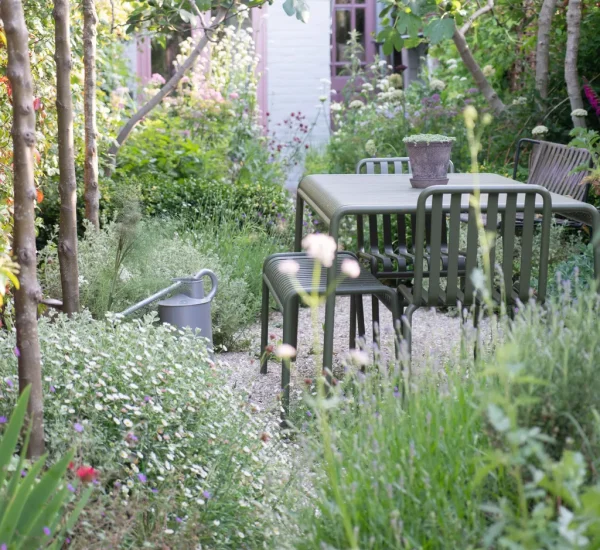
A patio can look finished and still feel strangely empty. The missing piece is usually not more furniture, a bigger planter, or another string of lights; it is a clearer reason for the eye to land, settle, and enjoy the space. A thoughtful home design feature can shift a small outdoor corner from leftover square footage into a place people choose over the living room. That is the quiet power behind this Courtyard Focus Guide, especially when you want warmth without clutter.
Comfort outside does not come from copying a showroom scene. It comes from arranging scale, light, texture, sound, and movement so the courtyard feels personal at breakfast, late afternoon, and after dark. cozy patios work because they do less, but they do the right things with care. A bench facing a planted wall can beat a full dining set if the view feels calm. A single tree can carry more charm than ten scattered pots. The goal is not decoration for its own sake. The goal is a courtyard that gives you a reason to pause.
Building a Courtyard Focus Guide Around One Strong Visual Anchor
A courtyard loses its charm when every object fights for attention. The strongest spaces usually begin with one clear visual anchor, then let every other choice support it. That anchor might be a tree, a fountain, a fire bowl, a sculptural chair, or a textured wall. The object matters less than the discipline around it. When you know where the eye should rest, the whole patio starts to breathe.
Choosing patio focal point ideas that earn attention
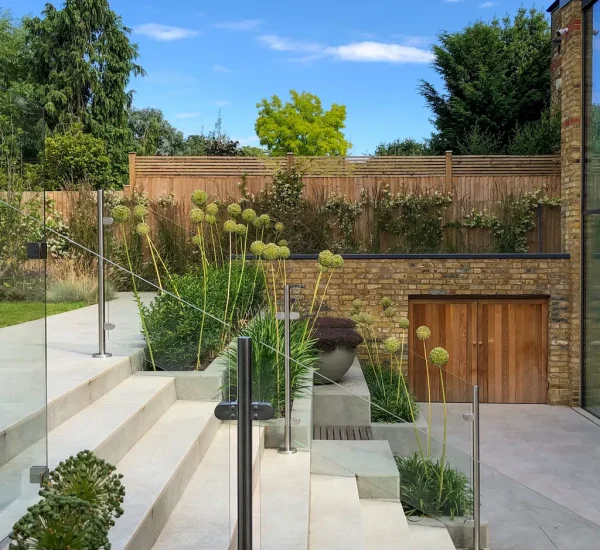
A good focal point should feel inevitable, not loud. A dwarf olive tree in a large clay pot can hold a courtyard with more grace than a bright painted wall, because it changes through the day without demanding applause. In a narrow patio, a tall planter at the far end pulls the eye forward and makes the space feel longer. In a square courtyard, a low central bowl with seasonal planting can gather the room without blocking movement.
Scale decides whether the anchor feels confident or awkward. A tiny water feature against a blank wall often looks nervous, like it wandered into the wrong garden. A broad timber bench beneath climbing jasmine, though, can turn that same wall into a destination. The trick is not to buy the biggest piece. The trick is to choose something with enough presence to carry the space from several angles.
Texture can do more than color here. A ribbed stone planter, weathered wood screen, or limewashed wall gives the eye something to read slowly. That slow read matters in outdoor rooms because sunlight keeps changing the surface. One strong texture, placed with intent, can make small garden spaces feel layered without making them busy.
Using courtyard layout ideas without crowding the center
Many people push everything against the walls because they fear losing floor space. That instinct can work in a hallway-like courtyard, but it often leaves the middle dead and the edges cramped. A better move is to shape a path first, then place furniture where people would naturally stop. Courtyard layout ideas should begin with movement, not shopping.
A small round table near the sunniest edge can create a soft center without becoming a traffic jam. Two chairs angled toward a planter feel more welcoming than four chairs lined up like a waiting room. Even a stepping-stone route through gravel can guide the body and calm the eye. The layout should answer a simple question: where do you want people to stand, sit, look, and linger?
The counterintuitive lesson is that empty space often creates the focus. A bare patch of paving in front of a planted wall gives the wall authority. A little breathing room around a bench makes the bench feel chosen, not squeezed in. Outdoor rooms fail when every gap gets filled. Silence is part of the design.
Shaping Comfort Through Light, Shade, and Shelter
Once the visual anchor is settled, comfort decides whether the courtyard gets used. A beautiful patio that burns at noon or feels exposed at dusk becomes a photograph, not a living space. Light, shade, and shelter do the quiet work of making the area usable across more hours of the day. This is where design stops posing and starts serving you.
Creating outdoor seating design that follows the sun
Outdoor seating design should respond to where light actually lands, not where furniture looks good in a catalog. Morning sun can make a breakfast bench feel golden. Harsh afternoon glare can turn that same bench into punishment. Before placing permanent seating, watch the courtyard at three points in the day: morning, midafternoon, and early evening. The space will tell you where people will want to sit.
Movable seating helps when the sun changes by season. A pair of lightweight lounge chairs can shift from shade to warmth without turning the patio into a storage puzzle. Fixed benches work better when paired with overhead vines, a slatted pergola, or a wall that blocks the worst heat. Comfort grows from options, not from a single perfect position.
Shade should look intentional. A cheap umbrella stuck in the middle of a tight courtyard can feel like an apology. A fabric sail tied cleanly across one corner, a slim pergola with climbing greenery, or a canopy tree in a deep planter can protect the seating while adding character. Shelter should soften the space, not dominate it.
Making small garden spaces feel protected, not boxed in
Small garden spaces often need boundaries, but too much enclosure can make them feel airless. The aim is privacy with a little mystery. A timber screen with gaps, tall grasses along one side, or a trellis with loose climbing plants can block the view without building a hard wall around your mood. Protection works best when it still lets light and air pass through.
Wind matters more than people expect. A courtyard that looks calm may still funnel air between walls, making candles useless and conversations uncomfortable. Dense planting near the windward side can break the force. A low wall, built-in bench, or raised bed can slow the movement at seat level. The fix does not need drama; it needs placement.
Sound also shapes shelter. A small fountain, gravel underfoot, or rustling bamboo can mask street noise and make the courtyard feel held. This does not mean turning the patio into a spa cliché. It means giving the ear something pleasant to follow so the outside world recedes a little. Comfort is not only what you see. It is what stops bothering you.
Layering Materials, Plants, and Details With Restraint
A focused courtyard does not need to look bare, but it does need control. Materials, plants, and details should create depth without starting separate conversations. The strongest patios often use fewer ingredients than expected, then repeat them with confidence. This is where restraint becomes generous, because it gives every object more room to matter.
Blending patio focal point ideas with grounded materials
Materials should support the focal point instead of competing with it. If the main feature is a leafy tree, warm gravel, muted stone, or pale concrete can let the green feel fresh. If the anchor is a dark water bowl, lighter paving around it gives the surface more drama. Patio focal point ideas succeed when the background knows its job.
A simple material palette can still feel rich. Brick underfoot, timber on seating, and terracotta in planters can make a courtyard feel warm without adding visual noise. Concrete, steel, and clipped greenery can create a sharper mood for a modern home. The point is to avoid random mixing. One courtyard cannot be Mediterranean, farmhouse, tropical, and minimalist at the same time without losing its nerve.
Wear should be part of the decision. Outdoor materials age, stain, fade, and collect marks from weather. That is not failure. A courtyard often becomes better when surfaces gain a little history, as long as the materials age honestly. Cheap finishes that peel look tired. Natural stone, clay, hardwood, and limewash tend to soften in ways that feel lived in.
Choosing planting rhythms for calm outdoor seating design
Plants should not be treated as green filler. They create rhythm, height, scent, shade, and seasonal change. Around outdoor seating design, planting needs to do more than look pretty in the corner. It should frame views, soften hard edges, and make the sitting area feel held without blocking conversation or access.
Repetition is your friend here. Three matching planters with rosemary can feel calmer than twelve unrelated pots with mismatched foliage. A row of grasses beside a bench can turn a blank side wall into movement. One climbing vine trained across a trellis can add more romance than a cluttered collection of small flowering pots. The eye relaxes when it recognizes a pattern.
Plant choice should match how much care you will give. A courtyard full of thirsty plants may look charming for one month and defeated by the next hot spell. Drought-tolerant herbs, ornamental grasses, compact shrubs, and hardy climbers often make better long-term companions. A good patio should forgive a busy week. Beauty that collapses without constant attention is not design; it is a chore wearing perfume.
Turning the Courtyard Into a Daily Habit, Not a Display
A courtyard earns its place when it becomes part of ordinary life. The best designs are not saved for guests, weekends, or perfect weather. They invite a quick coffee, a quiet call, a book after dinner, or five minutes of silence before the day starts. This final layer is less about style and more about behavior. A space is only as good as the rituals it can hold.
Applying courtyard layout ideas to real routines
Courtyard layout ideas become sharper when you tie them to a daily habit. A narrow ledge near the kitchen door can hold coffee, pruning scissors, or a small lamp. A bench with storage underneath can hide cushions and keep the patio ready. A tiny side table beside one chair can make reading outside feel natural instead of staged.
Think about the first ten seconds of use. If you need to drag cushions from another room, wipe every surface, move three pots, and hunt for a light, the courtyard will lose. Convenience is not boring. It is the reason a beautiful space becomes a loved space. Put the blanket where you sit. Keep the lantern charged. Make the chair face something worth seeing.
One unexpected truth: the best courtyard may not be the most flexible one. People often chase layouts that can host dinner, yoga, work calls, parties, and family gatherings in one tiny footprint. That sounds clever, but it can leave the space feeling vague. A courtyard with one strong purpose often gets used more than a patio that tries to be everything.
Keeping small garden spaces easy to refresh through seasons
Small garden spaces benefit from seasonal edits more than full makeovers. A new cushion cover, a shifted planter, or a bowl of spring bulbs can change the mood without breaking the design. The fixed parts should stay calm. The loose details can carry the season.
Storage keeps this easy. A weather-safe box, wall hooks, or a slim cabinet can stop the courtyard from collecting clutter. Outdoor rooms attract stray objects fast: tools, shoes, toys, empty pots, delivery boxes. Without a place for those things to disappear, the focus breaks. Order outside has to be designed, not wished into existence.
Maintenance should feel like a small ritual rather than a punishment. Sweep leaves before they turn into sludge. Cut back climbers before they swallow the light. Rinse furniture before dust becomes part of the finish. Ten minutes each week can protect the mood you worked to create. Ignore it for a month, and the patio starts telling on you.
A strong Courtyard Focus Guide is not about chasing perfection. It is about giving your patio one clear reason to exist, then backing that reason with comfort, rhythm, and daily usefulness. cozy patios do not need huge budgets or dramatic redesigns; they need choices that respect how people actually live outside. Pick one anchor, shape the seating around real light, repeat materials with restraint, and make the space easy to use without ceremony. Start with the one corner that bothers you most, remove what weakens it, and give it a focal point worth returning to. The courtyard will not become better because you add more. It will become better when every piece finally knows why it is there.
Frequently Asked Questions
How do I create a courtyard focal point for a small patio?
Choose one feature strong enough to hold attention, such as a planted tree, wall fountain, built-in bench, or textured screen. Keep the area around it calm so the feature has room to breathe. A focal point works best when nearby furniture faces or frames it naturally.
What are the best courtyard layout ideas for narrow patios?
Place seating along one side, then draw the eye toward the far end with a tall planter, trellis, or slim water feature. Keep the walking path clear and avoid bulky furniture. Narrow patios feel larger when the view moves forward instead of stopping at clutter.
How can cozy patios feel stylish without looking crowded?
Limit the main ingredients: one seating zone, one focal point, one repeated material, and a controlled planting rhythm. Crowding usually happens when every corner gets decorated. A stylish patio leaves enough open space for the strongest pieces to stand with confidence.
Which outdoor seating design works best for courtyards?
Built-in benches suit tight courtyards because they save floor space and can add hidden storage. Lounge chairs work better when flexibility matters. The best choice depends on your habits, the sun path, and whether the courtyard is mainly for reading, dining, or quiet conversation.
What plants work well in small garden spaces?
Compact shrubs, herbs, ornamental grasses, dwarf trees, and climbing plants often work well because they add structure without taking over. Choose plants that match your light and watering habits. A few healthy repeated plants look better than many struggling varieties.
How do I make a courtyard feel private without blocking light?
Use partial screens, trellises, tall planters, or airy planting instead of solid barriers. Privacy should filter the view, not seal the courtyard shut. Gaps, leaves, and layered heights can protect the space while keeping it bright, open, and comfortable.
What lighting is best for a cozy courtyard patio?
Use layered lighting rather than one harsh fixture. Wall lights, low lanterns, step lights, and soft overhead strands can shape the mood without glare. Aim light at surfaces, plants, and paths so the courtyard feels warm and safe after dark.
How often should I refresh a courtyard design?
Refresh the loose details seasonally, but keep the main layout stable. Swap cushions, trim plants, adjust planters, or add seasonal blooms when the space starts feeling flat. A courtyard stays inviting when small edits happen before the whole design feels tired.