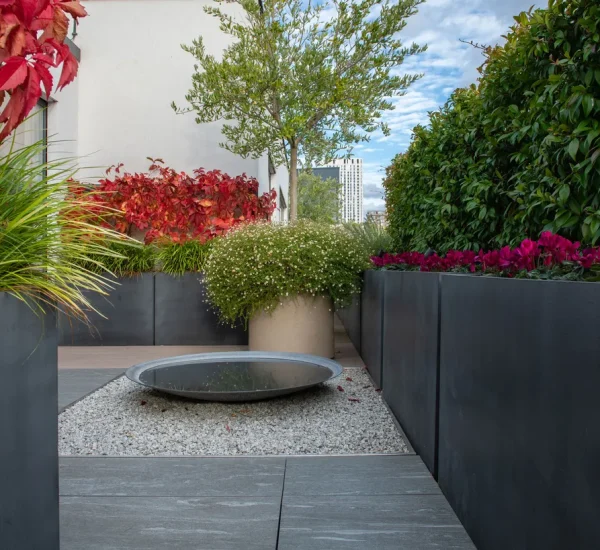
A yard can look finished and still feel strangely empty. The missing piece is often not more furniture, more plants, or a bigger budget; it is one clear place where the eye and body naturally settle. Courtyard Focus Ideas work best when they give the space a reason to exist beyond “somewhere outside.” A good courtyard should pull you in after a long day, slow your pace, and make even a modest corner feel intentional.
The smartest outdoor spaces do not shout for attention. They guide it. A bench under filtered shade, a gravel path ending at a fountain, or a single sculptural planter can change how you experience the whole yard. Even practical choices, from planting zones to home design resources, matter more when they support one calm center instead of competing for attention. A relaxing yard is not built from random upgrades. It is shaped around one idea that feels worth returning to.
Build the Yard Around One Strong Visual Anchor
A courtyard without a visual anchor often feels like a room with every chair pushed against the wall. You may have space, but nothing invites you to stay. The anchor does not need to be large or expensive; it needs to hold attention with quiet confidence. A weathered urn, a tree with a curved trunk, a low fire bowl, or a handmade bench can do the job better than a crowded set of matching décor pieces.
Why One Focal Point Beats Five Competing Features
Too many yards fail because every corner tries to become the main event. A water feature sits beside a patterned rug, bright cushions fight with oversized planters, and string lights hang above everything like a final apology. The result feels busy, not relaxing.
One focal point gives the eye somewhere to land. When you choose a single lead feature, every other choice becomes easier. Plants support it. Seating faces it. Lighting frames it. Even empty space starts to feel purposeful because it gives the anchor room to breathe.
A small fountain, for example, can carry an entire courtyard if the surrounding area stays calm. Place it against a plain wall, add soft planting around the base, and let the sound do half the work. The mistake is adding three more “statement” pieces nearby because the space feels unfinished too soon. Patience matters here.
Using Scale Without Overpowering the Space
Scale decides whether a courtyard feels grounded or awkward. A tiny statue in a wide paved area looks lost, while a massive pergola in a narrow yard feels like it is pressing down on you. The right anchor should feel slightly stronger than its surroundings, not louder than the whole space.
In a compact courtyard, a tall planter with a slim tree can create height without stealing floor area. In a wider yard, a built-in bench with layered planting behind it may carry more weight. The best test is simple: stand at the main entrance and notice where your eye goes first. That first glance tells the truth.
A counterintuitive rule helps: leave more open space around the anchor than you think you need. Empty space is not wasted space. It is the frame that lets the feature matter.
Shape Comfort Before You Add Decoration
A courtyard becomes relaxing when the body feels welcome before the eye starts judging the style. Shade, airflow, privacy, and seating position matter more than decorative finishes. You can buy beautiful pieces and still avoid sitting outside if the afternoon sun hits your face, the chair faces a blank fence, or the neighbor’s window makes the whole area feel exposed.
Cozy Courtyard Design Starts With How You Sit
The best cozy courtyard design begins by asking where people naturally want to pause. Most people do not relax in the exact center of a yard. They drift toward edges, corners, shade lines, and places with a protected back. That instinct is old, and it is smart.
A bench along a wall can feel better than four chairs floating in open paving. Add a side table, a cushion that can handle weather, and planting at one end, and the spot starts to feel held. The mood changes because the body no longer feels on display.
Comfort also comes from orientation. Face seating toward a tree, water, fire, planting bed, or textured wall instead of a storage shed or bare boundary. A chair is never only a chair outside. It is a decision about what you want to look at while your mind loosens its grip.
Small Yard Seating That Does More Than Fill Space
Good small yard seating should earn its footprint. In tight courtyards, every piece needs a second job: storage, boundary-making, shade support, or visual balance. A built-in L-shaped bench can hold cushions beneath the seat and also define the courtyard edge without adding clutter.
Movable chairs still have value, especially when the yard serves different moods. Two lightweight chairs can face morning sun, then shift toward evening shade. That flexibility often beats a fixed lounge set that looks impressive in photos but traps the layout in one pattern.
The hidden trick is to avoid seating that is too deep for the space. Oversized outdoor sofas can turn a small courtyard into an obstacle course. Choose pieces that let people move around them with ease. Relaxation dies fast when every step feels like a negotiation.
Use Planting to Create Depth, Shade, and Mood
Plants are not decoration in a courtyard. They are structure, climate control, and emotional tone all at once. Hard surfaces may define the layout, but planting decides whether the space feels alive. The smartest courtyard planting does not aim for a garden-center display. It builds layers that change through the day and age well through the seasons.
Layered Planting Makes Relaxing Yards Feel Larger
Layered planting can make relaxing yards feel deeper than their actual measurements. Low groundcovers soften edges, medium shrubs create body, and taller trees or climbing plants lift the eye upward. That vertical movement matters because it gives the mind more space to explore.
A narrow courtyard can gain depth with three planted zones instead of one flat border. Place finer textures near seating, fuller shrubs behind them, and one taller element at the back. The eye reads the space in stages, which makes the yard feel richer without adding more square footage.
Texture carries mood too. Grasses move in wind. Broad leaves feel lush. Silver foliage catches evening light. A courtyard built from one plant type can feel stiff, while a layered mix feels lived in. Not messy. Alive.
Outdoor Privacy Ideas That Feel Natural, Not Defensive
The best outdoor privacy ideas do not make the yard feel like a bunker. Tall blank fencing may block sightlines, but it can also trap heat and create a boxed-in mood. Privacy works better when it filters the outside world rather than shutting it out.
Climbing jasmine on a trellis, bamboo in controlled planters, espaliered fruit trees, or mixed shrubs can create screening with softness. The goal is not total isolation. The goal is enough separation that you can drink coffee, read, or sit with friends without feeling watched.
One smart move is to screen only the exact line of exposure. If one upstairs window overlooks the courtyard, you may need a raised planter and a small tree, not a full-height wall around the whole yard. Targeted privacy feels calmer because it solves the problem without making the space tense.
Let Materials, Light, and Sound Set the Pace
After structure, comfort, and planting come the details that shape atmosphere. Materials, light, and sound decide whether the courtyard feels sharp, sleepy, warm, cool, formal, or loose. This is where many yards go wrong. People add décor before they decide what pace the space should have.
Choosing Surfaces That Feel Calm Underfoot
Courtyard surfaces affect mood more than most people admit. Smooth concrete feels clean and modern, but too much of it can feel hard. Gravel brings sound and texture, though it needs edging and upkeep. Stone feels grounded, but large slabs can dominate a small yard if the pattern gets too bold.
A calm courtyard often benefits from restraint. Two main materials are usually enough: one for the walking surface and one for edges or accents. For example, pale pavers with timber seating can feel warm without becoming busy. Gravel with stepping stones can feel relaxed if the stones sit in a clear rhythm.
Surface color matters in heat as well. Dark paving can absorb warmth and make summer evenings less pleasant. Lighter tones often keep the yard more usable, especially in sunny climates. Beauty matters, but comfort decides whether you come back tomorrow.
Lighting and Sound Change the Yard After Sunset
Lighting should never make a courtyard feel like a parking lot. Low, warm, indirect light works better than harsh overhead fixtures. Aim light at walls, plants, steps, and seating edges instead of blasting the whole space equally.
A small uplight beneath a tree can create more atmosphere than a row of bright bulbs. Path lights should guide movement, not announce themselves. The best lighting almost disappears while making everything else feel safer and softer.
Sound deserves the same care. A small fountain can mask road noise. Gravel can make footsteps part of the experience. Leaves can rustle near seating if you choose plants that move easily. Silence is not always the goal. A relaxing courtyard often needs gentle sound to keep the outside world from feeling too close.
Conclusion
A courtyard becomes memorable when every choice supports the way you want to feel there. The best design does not begin with shopping. It begins with noticing: where the light falls, where you pause, what view bothers you, and which corner already feels close to calm. Once you understand that, Courtyard Focus Ideas stop being random inspiration and become a practical way to shape daily life.
Small changes can carry surprising weight. Move a chair toward shade. Give one planter more presence. Replace visual clutter with a single anchor. Add planting where the eye needs softness and privacy where the body needs ease. Relaxing yards are not made by filling every gap. They are made by protecting the moments that help you breathe again.
Start with one focal point, build comfort around it, and let the rest of the courtyard support that quiet center with discipline and care.
Frequently Asked Questions
What are the best courtyard focal point ideas for a small yard?
A compact yard works best with one strong feature, such as a slim tree, wall fountain, sculptural planter, or built-in bench. Choose something that adds height, sound, texture, or purpose without crowding the walking path.
How do you make a courtyard feel more relaxing?
Reduce visual noise first. Keep one clear focal point, soften hard edges with plants, add comfortable seating, and use warm low lighting. A relaxing courtyard should feel easy to enter, easy to move through, and easy to sit in.
What is the easiest way to improve courtyard privacy?
Screen the exact view that bothers you instead of enclosing the whole yard. A trellis with climbing plants, a raised planter, or a small tree can block sightlines while keeping the courtyard open and breathable.
How can cozy courtyard design work in a narrow space?
Place seating along one edge, keep the center open, and add vertical interest through plants, wall lighting, or a slim water feature. Narrow spaces feel better when the layout guides movement instead of blocking it.
What plants work best for courtyard shade and comfort?
Choose plants that suit your climate and light levels first. Small trees, ornamental grasses, climbing vines, ferns, and layered shrubs can cool the space, soften walls, and create a stronger sense of enclosure.
How should small yard seating be arranged?
Face seating toward the best view, not automatically toward the house. Built-in benches, slim chairs, and movable stools work well because they keep circulation clear while giving the courtyard a natural place to pause.
Are water features good for courtyard spaces?
A modest water feature can make a courtyard feel calmer by adding gentle sound and movement. Keep the scale controlled. A small fountain against a wall often works better than a large feature that dominates the space.
What outdoor privacy ideas work without making a yard feel closed in?
Filtered screening works best. Try climbing plants, mixed shrubs, slatted panels, or tall planters placed only where privacy is needed. The goal is to soften exposure, not create a sealed outdoor room.