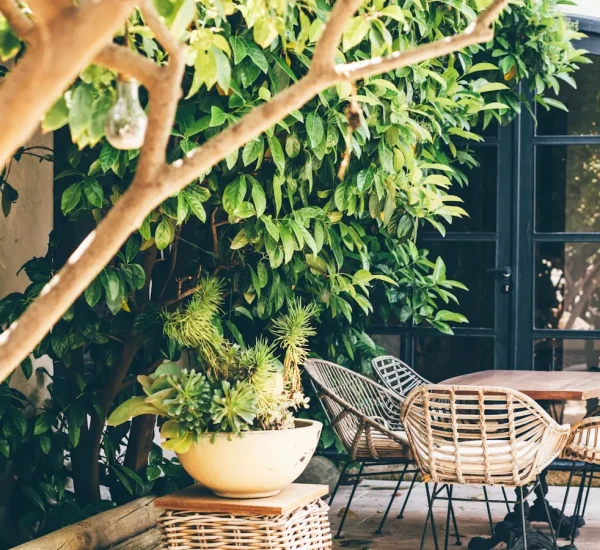
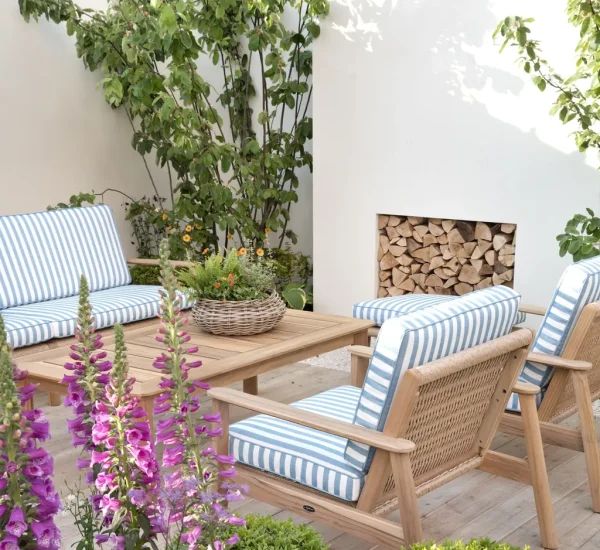
A courtyard can rescue a home from feeling closed in, even when the footprint is small. The best ones do not shout for attention; they pull you outside because the space feels calm, intentional, and worth using. Courtyard Focus Inspiration begins with that quiet shift: treating the open-air center, side yard, or tucked patio as a living part of the home instead of leftover space. When you give that area a clear purpose, the entire property feels more generous.
Many homeowners chase size when they should be chasing mood. A narrow courtyard with shade, texture, and one strong focal point can feel richer than a large lawn with no soul. The goal is outdoor elegance that supports daily life, not a staged corner that only looks good in photos. For readers building design visibility or home-improvement content around refined spaces, a thoughtful digital publishing strategy can help turn design ideas into stronger brand presence without making the content feel forced.
Designing a Courtyard Around Feeling, Not Furniture
A graceful courtyard starts before the first chair, planter, or tile sample enters the conversation. You need to decide what the space should make you feel when you step into it at 7 a.m., at sunset, and on a quiet weekend afternoon. That emotional target shapes every design choice after it, from the height of the planting to the way light lands on the wall. Relaxing yards succeed when they feel settled before they feel decorated.
Outdoor Elegance Begins With Restraint
A courtyard gets expensive-looking when you stop trying to fill every corner. One bench, one tree, and one textured wall can do more than a dozen unrelated pieces bought in a burst of enthusiasm. Outdoor elegance works best when the space gives the eye somewhere to rest.
The mistake most people make is treating the courtyard like a catalog page. They add a dining set, lanterns, pots, cushions, side tables, a fountain, and a fire bowl, then wonder why the place feels nervous. A courtyard has walls, edges, and shadows already doing part of the work, so restraint lets those built-in features breathe.
A good real-world example is a small townhouse courtyard with pale stone underfoot, a single olive tree in a large clay pot, and a slim black metal bench against a limewashed wall. Nothing in that scene screams. Everything belongs. That is the point: elegance often arrives when you remove the third idea and commit to the first one properly.
Relaxing Yards Need One Clear Purpose
A courtyard without a purpose becomes storage with sunlight. You may call it a patio, but if the space holds unused chairs, random pots, and a hose crossing the floor, your brain reads it as unfinished business. Relaxing yards need a clear job, even if that job is as simple as drinking coffee in peace.
That purpose should match your actual habits, not your fantasy version of yourself. A person who never hosts dinner outside does not need an eight-seat dining table stealing the whole courtyard. A person who reads every evening may need a deep chair, shade at shoulder height, and lighting gentle enough to keep the mood intact.
The counterintuitive move is to design smaller. A courtyard that serves one daily ritual beautifully will get used more than a space designed for six rare occasions. Choose the ritual first, then buy around it. Your wallet will thank you, and so will your evenings.
Courtyard Focus Through Light, Shade, and Privacy
Light decides whether a courtyard feels alive or harsh. Shade decides whether you can stay there longer than ten minutes. Privacy decides whether you relax or keep checking who can see you. These three forces carry more weight than furniture because they shape the body’s response before style even registers.
How Courtyard Design Ideas Change With Sunlight
Morning light wants softness. Afternoon light often needs control. Courtyard design ideas should begin with where the sun hits hardest, because a beautiful seating corner becomes useless when glare turns it into punishment.
In a west-facing courtyard, for example, metal chairs may look sharp in a showroom but become uncomfortable by late afternoon. A better choice might be timber seating under a slatted pergola, with climbing jasmine trained along the overhead frame. You still get brightness, but the light breaks into strips instead of landing like a sheet of glass.
Shade also gives texture a chance to speak. Stucco, brick, timber, and stone all look more interesting when light moves across them unevenly. A courtyard does not need loud decoration when the sun and shadow are already drawing patterns across the floor.
Cozy Patios Depend on Privacy You Can Feel
A courtyard can look finished and still fail because it feels exposed. Cozy patios need a sense of enclosure that protects the mood without turning the space into a bunker. Privacy is not only about blocking views; it is about lowering the body’s alertness.
Tall grasses, espaliered trees, woven screens, and layered planters can soften sightlines without building a hard wall. A narrow side courtyard beside a neighbor’s window, for instance, may only need three tall planters and a timber screen placed at seated eye level. The whole mood changes once you stop feeling watched.
Privacy also helps sound. Leaves rustle, water softens street noise, and textured surfaces reduce the hard echo that bare courtyards often create. The result feels less like sitting outside and more like stepping into a pocket of calm carved out of the day.
Building Texture With Plants, Materials, and Movement
A courtyard should never feel flat. Even a simple one needs layers: something low, something tall, something rough, something smooth, something still, and something that moves. Texture keeps the space alive across seasons, and it saves you from relying on decoration that fades, cracks, or starts looking tired after one summer.
Outdoor Elegance Grows From Material Discipline
Materials can make a courtyard feel calm or chaotic before a single plant goes in. Outdoor elegance depends on limiting the palette and letting each surface earn its place. Too many finishes create visual noise, especially in a compact area where every edge sits close to the eye.
A strong courtyard might use limestone pavers, warm timber, matte black metal, and terracotta planters. That is enough. Add glossy tile, chrome, painted plastic, and patterned cushions on top, and the space starts arguing with itself.
Material discipline does not mean the courtyard has to feel plain. A rough plaster wall beside smooth stone creates contrast. A weathered wooden table against clipped greenery adds warmth. The secret is not the price of each material; it is the relationship between them. Cheap materials chosen with discipline often beat costly ones chosen in panic.
Courtyard Design Ideas Should Include Movement
Stillness can become stale. Courtyard design ideas grow stronger when they include movement, even in subtle ways. A small tree that shifts in the breeze, a water bowl with a low ripple, or ornamental grass catching evening air can keep the space from feeling frozen.
Movement matters because courtyards often sit between interior rooms. You see them through windows while cooking, walking down a hallway, or sitting inside during rain. A plant that moves gently gives the home a living view, not a static backdrop.
One smart example is a courtyard framed by glass doors, with bamboo in long trough planters along the far wall. The leaves move even when the furniture sits empty, so the courtyard still contributes to the house. That kind of design pays you back every day, not only when you sit outside.
Making the Courtyard Useful Across Real Seasons
A courtyard that only works in perfect weather is not finished. The better goal is a space that adapts without drama: cooler in summer, warmer in shoulder months, usable after dark, and still attractive when plants rest. Real homes need design that holds up under dust, rain, heat, wind, and changing routines.
Relaxing Yards Need Evening Layers
Daytime design gets most of the attention, but evenings decide whether you use the courtyard often. Relaxing yards need layered lighting that guides the eye without flattening the atmosphere. One harsh overhead light can ruin weeks of careful design in one second.
Wall washers, low path lights, candle lanterns, and small lights tucked into planting beds create depth. The goal is not brightness; the goal is orientation. You should see the chair, the step, the plant shape, and the face across from you without feeling like the courtyard has turned into a service area.
A family courtyard can handle this beautifully with two wall sconces near the door, warm floor-level lights behind planters, and a dim portable lamp near the seating. The space stays safe, but it also stays intimate. That balance is where evening use begins.
Cozy Patios Work Harder With Flexible Comfort
Fixed beauty has limits. Cozy patios become more useful when comfort can shift with the season, the number of guests, and the hour of the day. A movable stool, washable cushions, a foldable side table, or a light outdoor throw can make the space adapt without clutter.
Climate matters here. In a hot region, comfort may mean breathable fabrics, pale surfaces, ceiling fans, and shade cloth that can be adjusted. In a cooler place, it may mean wind protection, thicker seat pads, and a compact fire feature placed safely away from planting. The best answer depends on the local conditions, not on a trend photo.
Storage also deserves respect. A small built-in bench with hidden storage can hold cushions, tools, and lanterns while keeping the courtyard clean. Nothing kills charm faster than a pile of outdoor accessories shoved into a corner because nobody planned where they should live.
Adding Personality Without Losing Calm
A courtyard needs character, but character is not the same as clutter. The strongest spaces carry signs of the people who live there while still protecting the quiet that makes a courtyard valuable. Personal touches should feel discovered, not displayed like a showroom checklist.
Art, Water, and Focal Points Should Speak Softly
A focal point gives the courtyard a center of gravity. It could be a sculptural tree, a shallow water feature, a ceramic wall piece, or a built-in fireplace. The trick is choosing one lead voice, then making everything else support it.
Water can be especially powerful in compact courtyards because it changes sound as well as sight. A narrow rill along a wall or a small basin near the seating area can soften traffic noise and make the space feel cooler. Large fountains, though, can overwhelm a modest courtyard and turn peaceful sound into constant performance.
Art works best when it relates to the materials around it. A hand-thrown ceramic piece on a plaster wall can feel rooted. A shiny mass-produced panel may feel pasted on. The courtyard will tell on you when something has no relationship to the rest of the space.
Planting Choices Should Match Your Patience
Plants give a courtyard its pulse, but they also expose unrealistic expectations. A lush wall of greenery looks dreamy until the leaves yellow, the irrigation fails, or the wrong species outgrows the space. Choose plants for the level of care you will give, not the level of care you wish you had.
Low-maintenance does not mean lifeless. Rosemary, lavender, dwarf olive, boxwood, ferns, star jasmine, succulents, and ornamental grasses can each work beautifully when matched to climate and light. The right plant in the right place looks generous. The wrong plant in the wrong place looks like homework.
A compact courtyard near a kitchen might benefit from herbs in raised planters, especially if you cook often. Another courtyard beside a bedroom may call for quieter planting with soft leaves and muted scent. Design becomes stronger when it respects the room connected to the courtyard, not only the courtyard itself.
The most memorable courtyards do not happen by accident. They come from a few brave decisions: fewer materials, better shade, honest planting, softer lighting, and one purpose that fits your life. Courtyard Focus Inspiration is not about copying a luxury resort or chasing every outdoor trend before it fades. It is about giving your home a pocket of air that feels considered, useful, and emotionally easy to return to. Start with one corner this week. Clear what does not belong, choose the feeling you want, and build from there with patience. A courtyard earns its beauty when it becomes part of your daily rhythm, not when it waits for a special occasion.
Frequently Asked Questions
What are the best courtyard design ideas for small outdoor spaces?
Choose one main function first, such as morning coffee, reading, or quiet dining. Then keep furniture slim, add vertical planting, and use wall lighting instead of bulky floor pieces. Small courtyards feel larger when every item has a reason to be there.
How can outdoor elegance be added to a courtyard on a budget?
Limit the material palette, remove clutter, and invest in one strong feature such as a large planter, a textured wall, or a quality bench. Budget elegance comes from restraint and proportion, not from filling the space with decorative extras.
What makes relaxing yards feel calm instead of crowded?
Calm yards need breathing room, soft boundaries, and a clear focal point. Avoid too many furniture pieces, colors, or plant types. A simple seating area with shade, greenery, and warm lighting often feels better than a busy layout with more features.
How do cozy patios stay useful throughout the year?
Flexible comfort keeps patios usable across seasons. Add movable shade, washable cushions, wind protection, and layered lighting. In cooler months, a safe heat source or outdoor throw can extend use without requiring a full redesign.
Which plants work well for courtyard privacy?
Tall grasses, bamboo in containers, espaliered trees, climbing jasmine, and dense shrubs can all create privacy. The right choice depends on sunlight, climate, and maintenance level. Container planting works well when you need screening without permanent construction.
How should courtyard lighting be planned for evening use?
Use several gentle light sources instead of one bright fixture. Wall sconces, low garden lights, lanterns, and hidden planter lights create depth and safety. Warm lighting usually feels more inviting than cool white light in intimate outdoor spaces.
What furniture is best for narrow courtyard layouts?
Slim benches, built-in seating, folding chairs, and round bistro tables work well in narrow spaces. Avoid deep lounge furniture unless the courtyard has enough clearance. The best pieces let people move through the area without squeezing past corners.
How do you create a focal point in a courtyard?
Choose one feature that naturally draws attention, such as a tree, water basin, sculptural planter, textured wall, or fireplace. Keep surrounding elements quieter so the focal point can lead the space without competing against too many decorative details.