A comfortable home is no longer defined only by stylish furniture or spacious rooms. Modern homeowners seek spaces that make life easier, reduce environmental impact, and create a sense of calm. The best homes today combine smart technology with sustainable practices while maintaining a simple design that avoids unnecessary complexity. This balance creates living environments that are practical, efficient, and welcoming for every member of the family.
Smart Technology That Supports Everyday Living
Technology has become an essential part of modern homes, but it should improve daily life instead of making it more complicated. Smart thermostats, automated lighting, voice controlled assistants, and security systems help homeowners manage their households with less effort. These tools save time, improve energy efficiency, and provide greater convenience.
Technology should be selected based on actual needs rather than trends. Choosing a few reliable smart devices often provides more value than filling a home with gadgets that are rarely used. A balanced approach ensures technology remains helpful without overwhelming the household.
Sustainable Choices That Make a Difference
Sustainability begins with everyday decisions. Energy efficient appliances, LED lighting, proper insulation, and water saving fixtures reduce utility costs while lowering environmental impact. Solar panels and rainwater harvesting systems can further improve a home’s long term sustainability where practical.
Many homeowners also prefer environmentally friendly building materials such as recycled wood, bamboo flooring, and low emission paints. These materials contribute to healthier indoor air quality while supporting responsible construction practices. Sustainability is not about sacrificing comfort but about making thoughtful choices that benefit both families and the planet.
Many people also use online government platforms for different services, whether checking pm kishan status or managing other household related responsibilities, demonstrating how digital solutions continue to simplify everyday life.
Designing Flexible Spaces for Modern Families
Today’s homes often serve multiple purposes. A dining room may become a workspace during the day, while a guest room can function as a home office. Flexible layouts allow families to adapt their living spaces as needs change over time.
Movable furniture, foldable desks, and modular seating create versatile rooms that maximize available space. This flexibility is especially valuable for growing families and individuals who work remotely. Digital services such as mahabocw registration online illustrate how technology supports people beyond the workplace by making important administrative processes more accessible from home.
The Beauty of Simple Design
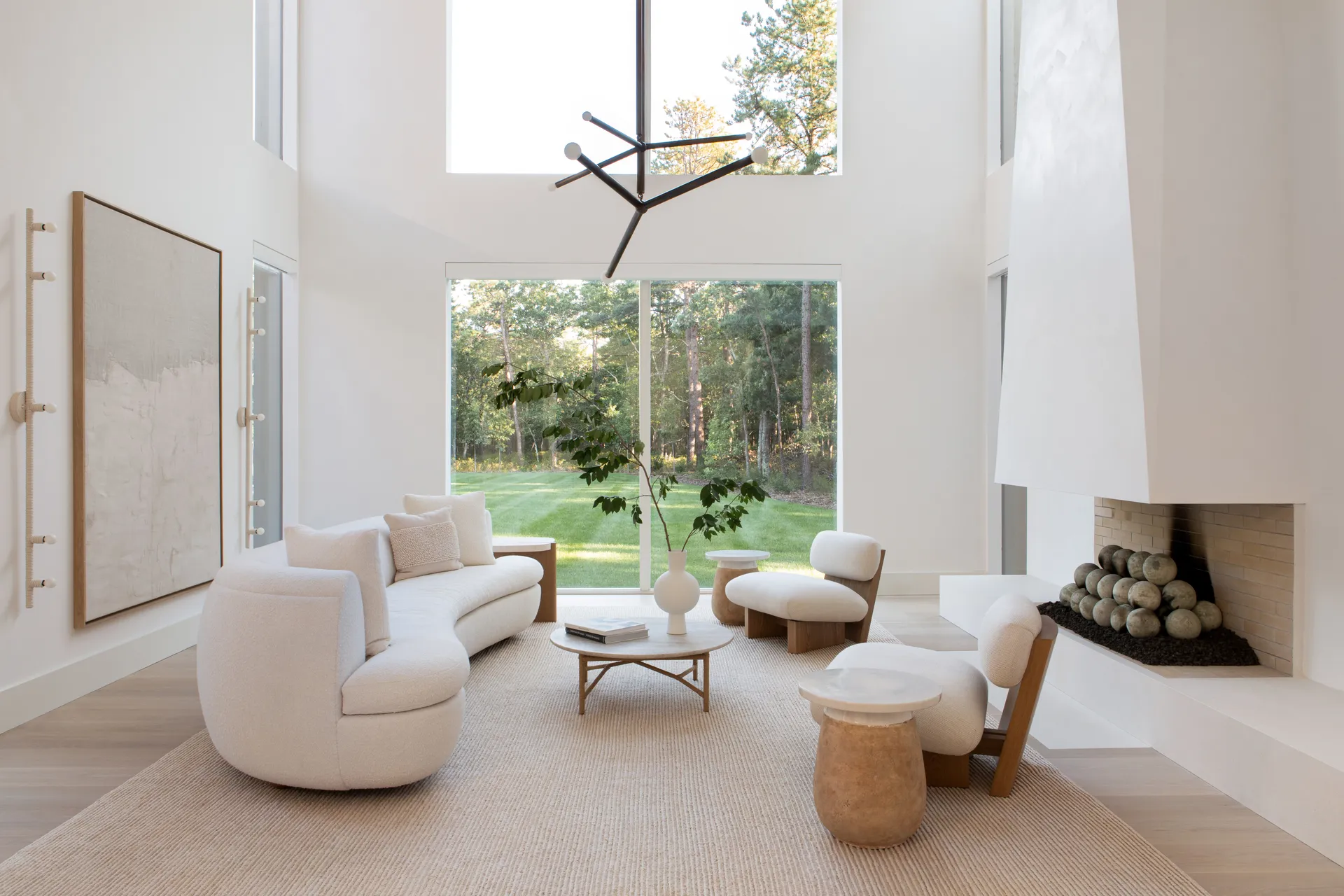
Simplicity creates a peaceful atmosphere that supports relaxation and productivity. Clean layouts, neutral color palettes, natural lighting, and uncluttered spaces make homes feel larger and more inviting. Every piece of furniture should serve a clear purpose while maintaining visual harmony.
Storage solutions also play an important role in achieving simplicity. Built in cabinets, multifunctional furniture, and organized shelving help reduce clutter without sacrificing convenience. A well organized home allows residents to focus on living rather than constantly managing unnecessary possessions.
Energy Efficiency Without Compromising Comfort
Comfort and efficiency work best together. Well insulated walls, energy efficient windows, and smart climate control systems maintain pleasant indoor temperatures throughout the year. Ceiling fans improve airflow while reducing dependence on air conditioning.
Natural ventilation and strategically placed windows increase fresh air circulation while maximizing daylight. These features reduce electricity consumption and create healthier living environments. Small improvements made over time can significantly lower energy bills while increasing overall comfort.
Digital Services Supporting Smarter Homeownership
Homeowners increasingly rely on digital platforms to access important property information and public services. These systems reduce paperwork and make information available whenever needed.
Services such as kaveri online service demonstrate how digital property management can simplify documentation, improve transparency, and save valuable time. As more public services become available online, homeowners benefit from greater convenience and faster access to essential information.
Creating Homes That Support Long Term Well Being
A comfortable home should encourage physical and mental well being. Indoor plants improve air quality while adding natural beauty. Quiet reading corners, meditation spaces, and outdoor gardens provide opportunities to relax after busy days. Good lighting, ergonomic furniture, and proper ventilation also contribute to healthier daily living.
Technology should complement these wellness focused features rather than replace them. Smart lighting that adjusts throughout the day or air quality monitors can enhance comfort while allowing homeowners to maintain healthier indoor environments.
Property information has also become easier to access through digital platforms such as bhumi jankari up, helping homeowners stay informed while managing land and property related matters more efficiently.
Conclusion
Creating a comfortable home requires balancing innovation with thoughtful design. Smart technology should simplify daily routines, sustainable practices should reduce environmental impact, and simple layouts should create peaceful living spaces. When these elements work together, homes become more functional, efficient, and enjoyable for years to come. Rather than following every new trend, homeowners achieve the greatest success by choosing practical solutions that match their lifestyles. By embracing technology with purpose, investing in sustainability, and maintaining simplicity, anyone can create a home that offers lasting comfort, supports well being, and adapts to changing needs in the future.