A small ceiling stain can feel harmless until the drywall starts to sag. Many American homeowners first blame a bathroom pipe, an upstairs leak, or poor attic airflow, but the trouble often starts higher. Pipe boot replacement matters because the rubber collar around a plumbing vent can crack, shrink, or pull away long before the roof itself looks worn out. Water then slips past the boot, follows the pipe, wets insulation, and shows up inside days or months later. That slow path is what makes the problem sneaky. You may not see dripping during the first storm. You may notice a faint ring near a bathroom fan, a musty attic corner, or a brown mark that grows after spring rain. For homeowners sorting repair priorities, practical home maintenance planning often comes down to catching the small failure before it becomes a room repair. A roof vent leak is not dramatic at first. That is the danger. The boot is cheap compared with stained drywall, swollen sheathing, ruined insulation, and repainting half a ceiling.
Why a Small Vent Boot Can Become a Costly Interior Problem
Most roof leaks do not enter through the wide open field of shingles. They sneak in where something interrupts the roof plane. A plumbing stack is one of those interruptions, and the boot around it must flex through sun, snow, heat, and wind. That little collar does more work than its size suggests.
How water travels before you see a stain
Water rarely drops straight from the roof into the room below. It often slides along the outside of the vent pipe, hits a framing member, spreads across the underside of roof decking, then finally finds a low spot. That is why a stain in the hallway may start from a pipe above the bathroom.
This is the part homeowners misread. A roof vent leak can look like a plumbing leak because the stain appears near a bath, laundry room, or kitchen. The vent pipe serves plumbing fixtures, so the location feels like proof. It is not proof.
A good example is a ranch home in Ohio after a windy March storm. The ceiling mark appears beside the bathroom light, but the attic shows damp wood around the vent stack six feet upslope. The water followed gravity, not the room layout.
Why rubber collars fail before shingles do
Asphalt shingles can still look serviceable while the rubber boot has already aged out. The boot sits raised above the roof surface, so it catches more sun and temperature swing than the shingle tucked beside it. In hot states like Texas, Arizona, and Florida, that collar can bake hard. In northern states, freeze-thaw cycles can open tiny gaps around the pipe.
The counterintuitive part is that newer-looking roofs are not immune. A roof may be ten years old with decent shingles, yet the plumbing vent flashing can fail because the boot material aged faster than the roof covering. That mismatch fools people.
Look for cracked rubber, a loose collar, lifted shingles around the flashing base, rusty exposed nails, or sealant piled around the pipe. Heavy caulk is often a clue that someone treated the symptom, not the failure. A repair that depends on a thick smear of sealant is usually borrowing time.
Pipe Boot Replacement Timing: Fix the Collar Before the Ceiling Speaks
Waiting for an indoor stain is the expensive way to diagnose a roof. The smarter move is to treat roof penetrations as inspection points, not background details. The boot should be checked before storm season, after high winds, and whenever attic moisture shows up without a clear indoor source.
When inspection should move to the top of your list
A spring roof check makes sense in much of the United States because winter movement can loosen weak areas. In Gulf Coast states, late summer inspection matters before tropical rain pushes water into every small opening. In wildfire-prone western areas, sun exposure can age rubber faster than homeowners expect.
You do not need to climb on a steep roof to start. Walk the attic with a bright light after rain. Look at the roof decking around each pipe. Touch nothing electrical. Search for dark rings, damp insulation, white mineral marks, and wood that looks stained compared with nearby decking.
If you see daylight around a vent opening, that is a warning. If the pipe wiggles at the roofline, that is another. For a deeper home checklist, add this topic to your roof leak warning signs page so future inspections do not stop at shingles and gutters.
Why early repair protects more than the ceiling
The first visible stain is not the first damage. By the time paint changes color, moisture may have already softened insulation or darkened roof sheathing. That does not mean panic is needed. It means timing matters.
Interior water damage grows in layers. First comes damp insulation. Then drywall paper stains. Then paint bubbles, trim swells, or mildew odor appears. In colder areas, moisture near the vent can also condense during winter and make the leak look active even after the rain has stopped.
One non-obvious sign is a stain that appears after snow melt instead of rain. Warm air from the house can move into the attic, meet cold surfaces near a weak boot, and add moisture to an already leaky area. The boot may not be the only issue, but it is a common place to start.
Choosing the Right Repair Method Without Creating a Second Leak
A vent boot repair should respect how water moves down a roof. That sounds plain, yet many poor repairs fail because they block water in one spot while opening a path somewhere else. The best fix is not the fastest one. It is the one that restores the shingle laps and flashing path.
Full boot change, storm collar, or cover system?
A full boot change removes the old flashing and installs a new one tied into the surrounding shingles. This is often the cleanest repair when the metal base is bent, nails are loose, shingles are damaged, or the rubber has split beyond a small crack.
A storm collar or boot cover can work when the metal flashing base still sits well and the problem is limited to the rubber seal around the pipe. Some retrofit covers fit over the old assembly and shed water without tearing into shingles. That can be useful on brittle older roofs where lifting shingles may cause more harm.
Still, a cover should not hide rot. Before any shortcut, the deck around the plumbing vent flashing needs a close look. If the plywood feels soft or the shingles around the base are curled, a surface fix may trap the problem under a cleaner-looking part.
Materials matter more than most homeowners think
The cheapest boot on the shelf may pass the “looks fine” test, but roof conditions are rough. Sun, pipe movement, wind lift, and temperature swings all punish the collar. In hot climates, a higher-grade boot or repair cover can make sense. Near the coast, corrosion-resistant nails and proper flashing metal matter too.
For asphalt shingle roofs, the upper part of the flashing belongs under the shingles above it, while the lower part sheds water over the shingles below. That layered pattern is the whole point. The FEMA roof flashing guidance also treats damaged flashing as a repair concern worth professional review, which matches what careful roofers see in the field.
Do not let anyone sell you a fix based on sealant alone if the boot is cracked. Sealant has a place around certain nail heads or edges, but it should not carry the whole repair. Water always tests weak work.
What Proper Installation Looks Like on a Real Roof
The work itself is not mysterious, but the details are unforgiving. A clean repair protects the pipe opening, the shingles around it, and the deck below it. A sloppy one can look neat in photos and still leak during the next sideways rain.
The repair sequence that keeps water moving out
A roofer first loosens the surrounding shingles without tearing them. On older roofs, that step takes patience because brittle shingles can crack. The nails holding the old flashing come out, the boot slides up and off the pipe, and the deck is checked before the new piece goes in.
Then the new flashing is placed so the bottom edge sits over the lower shingles and the upper section tucks beneath the courses above. The pipe opening should fit snugly without stretching the collar out of shape. Nails belong where they will be covered or sealed correctly, not scattered across exposed edges.
A hose test can help, but it must be done with care. Water should run from above the repair down the roof, not be blasted sideways under shingles. Wind-driven rain is already hard on a roof. A bad test can create a leak that the roof would not have had under normal rain.
Safety, roof slope, and when to call a roofer
A one-story, low-slope roof on a dry day is a different job from a steep two-story roof after morning dew. Falls do not care how simple the repair looked online. If the roof is steep, wet, brittle, icy, or high, hiring a roofer is the sane choice.
Homeowners in places like Pennsylvania or Michigan also need to think about season. A boot repaired on a cold day may involve stiff shingles that do not lift cleanly. In Phoenix, the same shingles may be too hot and soft by afternoon. Timing the work can protect the roof from avoidable damage.
Keep records once the repair is done. Photos of the old boot, the deck condition, and the new flashing help if another stain appears later. They also help during a home sale, when a buyer’s inspector asks about past roof work.
Conclusion
A vent boot is easy to overlook because it is small, plain, and usually out of sight. That is exactly why it deserves a place in your home maintenance routine. The repair is not about chasing every tiny flaw on the roof. It is about knowing which small parts can send water into expensive places.
Pipe boot replacement is one of those jobs where timing changes the whole bill. Done early, it protects drywall, insulation, paint, framing, and the quiet comfort of the rooms below. Done late, it becomes a roof repair plus an interior cleanup project.
The best habit is simple: check roof penetrations before stains appear, confirm the flashing path, and do not trust caulk to solve a cracked collar. Pair that with an attic moisture prevention guide, and you will catch problems while they are still small enough to handle. Protect the boot now, and the ceiling never gets a vote.
Frequently Asked Questions
How do I know if my roof vent boot is leaking?
Look for a ceiling stain below a bathroom, laundry room, or kitchen area, then check the attic near the vent pipe. Damp decking, stained insulation, cracked rubber, rusty nails, or a musty smell after rain all point toward a possible vent boot leak.
Can I repair a cracked roof vent boot with caulk?
Caulk may slow a tiny gap for a short time, but it should not be treated as a full repair when the rubber collar is cracked. Once the boot has aged or split, a new boot, collar, or cover system is usually the safer fix.
How long does a plumbing vent boot usually last?
Life span depends on sun exposure, climate, material quality, roof slope, and installation. In hot or storm-heavy regions, the rubber collar may fail before the shingles look worn. That is why roof penetrations should be inspected during normal roof maintenance.
Is a vent boot leak covered by homeowners insurance?
Coverage depends on the cause and your policy. Sudden storm damage may be treated differently from age-related wear or poor maintenance. Take photos, save repair notes, and ask your insurer before assuming a small roof leak will be covered.
Should I replace all roof vent boots at once?
It can make sense if they are the same age and show similar wear. Replacing one failed boot while leaving three cracked ones nearby may invite another leak soon. A roofer can inspect each boot and recommend a practical order.
Can a bad vent boot cause mold in the attic?
Yes, repeated moisture around the vent can wet insulation and roof decking. That damp zone can support mold growth if airflow is poor and the leak continues. Fix the water entry first, then address damaged insulation and attic ventilation.
What is the difference between roof flashing and a vent boot?
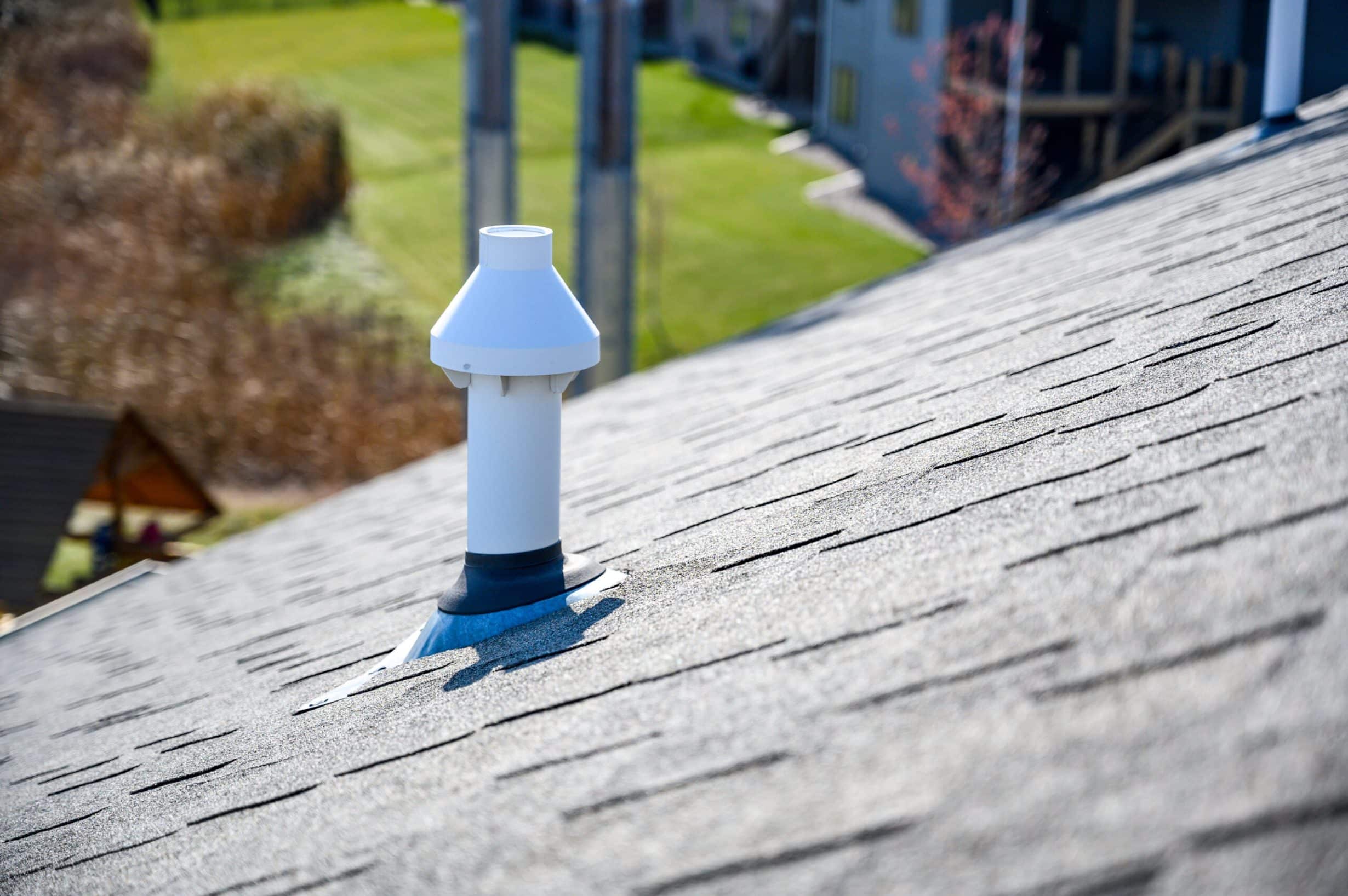
Flashing is the water-shedding material installed around roof openings. A vent boot is a specific flashing piece made for a plumbing vent pipe. It usually includes a metal or plastic base and a flexible collar that seals around the pipe.
Do I need a roofer or a plumber for a leaking vent boot?
A roofer is usually the right call because the leak is at the roof surface, not inside the plumbing system. A plumber may help if the pipe itself is damaged, but the boot, flashing, shingles, and roof deck are roofing work.