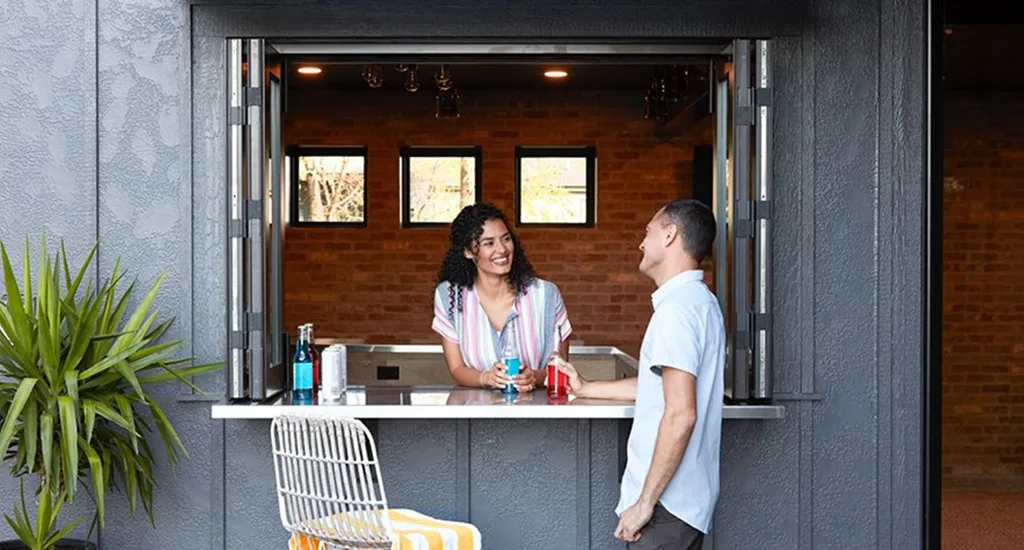
Backyard meals have a way of exposing the weak spots in a kitchen layout. You carry plates through a sliding door, step around pets, wave smoke away from the grill, then walk back inside for napkins. A pass through window solves that problem by turning one wall into a working handoff point, not a design trick. The best version feels simple after it is built, but the planning should not be casual. You are cutting into structure, weather protection, insulation, and traffic flow at once. That means the project belongs closer to remodeling than decorating. For homeowners comparing ideas through home improvement project planning, the smartest goal is not the biggest opening. It is the opening that keeps the kitchen useful, keeps rain out, and makes the patio feel like part of daily life. A good kitchen serving window starts with the wall, the counter, and the way people move when dinner is already hot.
Planning a pass through window Before You Cut the Wall
The mistake many homeowners make is starting with the glass style. Fold-up panels look sharp. Gas-strut units feel fun. Sliding panels cost less and behave well in tight spots. None of that matters until you know what the wall is doing. An exterior wall may carry roof load, floor load, wind load, or a mix of all three. Even a small exterior wall opening can change how weight travels down to the foundation.
A kitchen that backs up to a covered patio in Phoenix has a different problem than one facing a rainy deck in Oregon. One fights heat gain and dust. The other fights wind-driven water. The design should follow the house, not a saved photo.
Why the wall type changes the whole job
A non-load-bearing interior divider is one kind of project. An exterior kitchen wall is another. Most indoor-to-outdoor openings need a properly sized header above the new frame, jack studs at the sides, and solid bearing down to framing below. That sizing is not a guess based on the width alone.
Here is the non-obvious part: the tallest opening is not always the best one. Raising the header may force changes to cabinets, lighting, duct runs, or second-floor framing. A slightly shorter exterior wall opening can save money and still work better if the sill lines up with a counter.
A practical example helps. In a one-story ranch house in Texas, a 48-inch serving opening above the sink may need less framing repair than a 72-inch folding unit pushed into the corner. The smaller one can sit between existing studs with a sized header. The wider one may affect shear resistance along the wall, which can pull an engineer into the job.
How permits, inspections, and codes shape the design
Most U.S. cities care about this project because it touches structure and the building envelope. A permit may be needed for framing, electrical relocation, siding repair, or window replacement. Your local building department decides the final rules, so treat national code references as a starting point.
Safety glazing can matter when glass sits near doors, walking surfaces, wet areas, or low sill heights. The International Residential Code has rules for glazing in hazardous locations, and your inspector may apply local amendments. For product choice, the ICC safety glazing section is a useful reference before you buy.
Do not assume a window company can approve the framing. A supplier can sell the unit. A contractor can install it. The permit office may still want span details, flashing details, and proof that the product fits local wind and energy rules. That gap is where budget trouble begins.
Choosing the Opening Style, Counter Height, and Daily Workflow
Once the wall is understood, the project becomes more personal. This opening has to work during a cookout, a school morning, and a rainy Tuesday when nobody is outside. It should not steal prep space from the kitchen or make the patio counter feel like an afterthought.
The best layout starts with a boring question: where will the plate land? If the answer is “somewhere near the grill,” the plan is not done. You need a landing zone inside, a landing zone outside, and a clear path that does not cut across the cooktop, sink, or trash pullout.
Best window styles for indoor-outdoor serving
A sliding unit is often the calmest choice. It keeps the sash within the wall plane, costs less than many folding systems, and works well where a roof overhang or bar stools limit clearance. It is not the flashiest option, but it can be the right one for a narrow patio.
A gas-strut awning unit opens upward and creates a strong indoor-outdoor feel. It can also demand more care. The raised panel needs headroom, safe hardware, and enough exterior clearance. In a windy coastal area, that big lifted sash is not a detail to shrug off.
Folding panels give the widest feel when open. They fit homes where the outdoor counter is used often, not twice each summer. If you host weekend dinners or have a covered lanai in Florida, folding panels can earn their cost. For a small deck in Minnesota, a tight sliding kitchen serving window may age better.
Counter depth, stool space, and the awkward middle zone
The counter is where the project either feels natural or strange. Inside, you need enough surface to set a cutting board, drinks, or serving bowls without blocking the sink. Outside, the bar top should be deep enough for plates and elbows. Too shallow, and guests hover with one hand on a cup.
A common outdoor counter depth is around 12 to 18 inches for casual serving. Stool seating often needs more comfort space. The exact size depends on the wall thickness, trim, siding, and support brackets. A narrow ledge can work for tacos and lemonade. It will fail as a dinner bar.
This is where outdoor kitchen layout ideas can help you think past the window itself. A strong outdoor kitchen window does not need to sit dead center on the wall. Sometimes it belongs closer to the grill, sometimes closer to the dining table, and sometimes away from both so people do not crowd the cook.
Weatherproofing, Energy Performance, and Exterior Details
A serving opening looks light and social, but it is still a hole in the weather side of the house. Rain does not care that the project looks beautiful. Water follows gravity, wind, capillary gaps, and bad flashing. The exterior details are less exciting than the glass, but they decide whether the wall stays dry five years from now.
Energy performance matters too. A large glass opening can bring heat, glare, drafts, and condensation if the product is wrong for the climate. That does not mean the idea is risky. It means the product has to match the region.
Flashing and drainage details that keep water outside
The sill is the danger spot. Water can sit there, blow inward, or sneak below the frame. A proper sill pan, sloped exterior ledge, side flashing, head flashing, and compatible sealants all work together. Skip one, and the opening may pass the first storm yet fail over time.
A covered patio helps, but it does not erase the need for flashing. Wind can push rain sideways under a roof. Sprinklers can soak siding from below. Snow can drift against an exterior bar top in colder states. The wall still needs a drainage path.
A mildly counterintuitive choice: a smaller opening under a good roof can feel better than a huge opening exposed to weather. Less glass, less water load, fewer hardware issues. In a Chicago bungalow with a narrow rear deck, that choice may save the wall and still make summer dinners easier.
Glass, insulation, and climate zone choices
For exterior windows and sliding glass units, tested and labeled products matter. The IRC points to performance labels for exterior windows and sliding doors, and those labels help confirm that the unit was made for wind, water, and structural loads. Custom products need careful review before the contract is signed.
ENERGY STAR advises choosing windows by climate zone, using U-factor and solar heat gain numbers as guideposts. That matters because a kitchen in Maine and a kitchen in South Carolina do not need the same glass behavior. One may need better heat retention. The other may need stronger solar control. Use the ENERGY STAR window guidance before choosing glass.
The best outdoor kitchen window also respects shade. A west-facing opening can punish a kitchen at 5 p.m., right when dinner starts. A deeper overhang, low-solar-gain glass, or exterior shade can matter more than the window brand. Comfort is not one product. It is a set of decisions.
Budget, Contractor Scope, and Finishing the Indoor-Outdoor Connection
Cost varies because the window is only one piece. Framing, siding, drywall, trim, countertops, electrical work, permits, engineering, and paint all sit behind the number. The opening may look like a window purchase online. In real life, it is a small construction project.
That is why the best bid is not always the lowest bid. You want someone who can explain the framing path, weather barrier repair, and finish sequence without hand waving. A contractor who talks only about the glass is leaving out the hard parts.
What drives cost more than the window itself
Width drives cost, but not alone. A wider span may need a larger header, more temporary support, new posts, or engineering. Stucco repair can cost more than vinyl siding repair. Brick veneer can slow the job. Tile backsplashes, outlets, plumbing vents, or upper cabinets can add hidden work.
A simple example: a homeowner in California may choose a 60-inch folding unit over an existing sink. The glass price is clear. Then the contractor finds an outlet in the wall, a vent line nearby, and stucco that must be patched across a larger area. The project did not grow because the homeowner made a bad choice. It grew because walls contain history.
Ask bidders to separate line items. You want to see product cost, framing, exterior repair, interior finish, counter work, permits, and any engineering. That makes the numbers easier to compare. It also helps you decide where to spend and where to stay plain.
Finishing touches that make the project feel built-in
Trim should look like it belongs to the house. On the kitchen side, match cabinet tone, wall color, or nearby casing. Outside, match siding trim or patio materials. A bright new frame can look odd on an older home if the surrounding details are ignored.
Lighting is easy to forget. Add task lighting inside if the opening removes upper cabinets or shadows the counter. Outside, soft bar lighting helps guests see plates without turning the patio into a stage. For seating, patio bar counter planning can guide stool spacing and counter support before you drill brackets into finished siding.
One final insight: the opening should close beautifully. Many homeowners picture it open, but weather, bugs, noise, and security mean it will spend plenty of time shut. Screens, locks, interior shades, and easy hardware decide whether you enjoy the project after the first month.
Conclusion
A serving opening between a kitchen and patio can change how the house lives. It makes meals easier, keeps guests connected, and turns a plain exterior wall into a useful social edge. Still, the project rewards patience. Structure comes first, then weather protection, then the glass style, then the counter details. A pass through window should never be treated as a weekend cutout with a pretty sash added later. The wall has to carry weight, shed water, meet local rules, and still look calm from both sides. Spend more time on layout than on photos. Check the permit path before ordering. Choose a product that fits your climate and your habits. When those pieces line up, the result feels less like a remodel feature and more like the house finally learned how your family eats. Start with the wall, then design the moment around it.
Frequently Asked Questions
How much does an indoor-outdoor kitchen serving opening cost?
Most projects cost more than the window unit because framing, siding repair, interior trim, counters, and permits add up. A smaller sliding unit may stay modest, while folding or gas-strut systems can climb fast once structural work and finish repairs enter the bid.
Do I need a permit to cut an opening in an exterior kitchen wall?
Most U.S. cities require one when the work affects structure, electrical, plumbing, or the exterior shell. Rules vary by city and county, so call the local building department before ordering the window or signing a contract.
What is the best style for a kitchen serving window to a patio?
Sliding units work well for budget and tight spaces. Gas-strut awning units create a wide open feel under covered patios. Folding panels suit frequent entertaining but need more room, better weather planning, and a higher budget.
Can this project work on a load-bearing wall?
Yes, but the wall needs proper support while the opening is framed. A sized header, jack studs, and solid load path are often needed. Larger openings may require an engineer, especially in two-story homes or high-wind areas.
What counter height works best for outdoor serving?
Many homeowners align the sill with the indoor counter, near 36 inches high. Bar seating may call for a higher outdoor counter. The right answer depends on stool type, wall thickness, patio height, and how you serve food.
How do I keep rain from leaking under the new window?
Use a sloped sill, sill pan, head flashing, side flashing, and exterior sealants that match the window and siding materials. A roof overhang helps, but it does not replace correct flashing or drainage paths.
Is a screen needed for an outdoor kitchen opening?
A screen is smart in most climates. It keeps bugs out while still allowing air and conversation. Some folding and gas-strut systems offer retractable screens, but they must be planned before installation because tracks need space.
Will a serving window make the kitchen hotter or colder?
It can if the glass is poorly chosen. Select a product suited to your climate zone, with the right U-factor and solar heat gain rating. Shade, orientation, and overhang depth also affect comfort inside the kitchen.