A garage can look simple from the driveway and still punish a rushed base for decades. A detached garage foundation has to match the soil, frost line, drainage path, door opening, vehicle weight, and future use before anyone argues over wall framing or siding color. For most U.S. homeowners, the choice usually narrows to a plain slab, a thickened-edge slab, a frost-wall system, or piers with grade beams. The right answer is not always the most expensive one.
Think of the base as the part you do not get to casually redo. A roof can be reshingled. Doors can be swapped. A bad slab under a two-car shop is a different kind of problem. Builders who plan projects for long-term home improvement value tend to settle the ground and water questions first, then price the concrete. That order saves money because it keeps you from buying strength in the wrong place.
Start With the Ground Before You Price the Concrete
Most garage mistakes begin before the first form board goes down. The owner asks for a bid on “a slab,” the contractor gives a number, and nobody talks enough about the site. That is backwards. The soil, slope, and climate decide whether a low-cost base is smart or a future crack map waiting to happen.
A good plan starts with boring questions. Where will roof water go? Was the pad area filled years ago? Does the driveway pitch toward the door? These are not side details. They tell you whether the foundation should float with the surface, lock below frost, or bridge bad ground with deeper support.
Soil and drainage decide more than the slab thickness
A flat suburban lot in central Texas and a sloped lot in Vermont should not get the same foundation plan. One may need shade control and good runoff after heavy rain. The other may need frost depth footings and careful attention to winter movement. Same size garage. Different ground behavior.
Start with water. If the grade sends runoff toward the garage, a thicker slab will not fix the real issue. You need positive drainage, compacted base material, and a plan for driveway water at the overhead door. The International Residential Code foundation chapter is a useful starting point because it covers drainage, soil concerns, and minimum depth rules, but your city or county can add its own requirements.
Here is the non-obvious part: dry-looking soil can still be a risk. Clay can swell after long rain and shrink during summer heat. Fill dirt can settle after the garage is loaded. A clean gravel layer under the slab often matters more than one more inch of concrete because it gives water somewhere to move and gives the slab a steadier bed.
Soil also changes how the garage ages. Sandy soil may drain fast but still need proper compaction near the edges. Heavy clay may look firm on a dry August day, then move after spring storms. A contractor who asks about old tree roots, buried debris, and downspout paths is not being fussy. That person is looking for the reason slabs crack early.
Climate changes the meaning of “good enough”
Warm-climate builders often favor a concrete slab for garage projects because it is fast, direct, and familiar. In many parts of Florida, Georgia, Arizona, and coastal California, frost is not the first concern. Drainage, termites, expansive soil, and wind-rated anchorage may sit higher on the list.
Cold states change the math. In Minnesota, Maine, Wisconsin, Michigan, upstate New York, and parts of Colorado, frost can lift shallow work if the base lets water sit and freeze. That is why frost depth footings often enter the discussion for heavier detached structures, taller walls, storage lofts, or masonry veneer.
A small one-car building for lawn equipment may be fine with a simpler system if local code allows it. A 24-by-30 garage with a lift, a heated shop corner, and a heavy pickup deserves a firmer plan. Size matters, but use matters more. A garage that starts as parking can turn into storage, a workshop, or a hobby space within one year.
Climate also affects the floor surface you will live with. Road salt in northern states can attack weak surfaces near the door. Desert heat can make cure timing more sensitive. Gulf Coast rain can turn poor grading into a weekly nuisance. The base is not only structural; it is part of the way the building handles your local weather.
Detached Garage Foundation Choices Start With Soil, Frost, and Use
Once the site is understood, the comparison becomes cleaner. You are no longer asking which base sounds strongest. You are asking which one handles your loads, your climate, and your budget without building more than the garage needs. That is where real savings show up.
The common choices are not rivals in a beauty contest. They solve different problems. A light storage garage on stable ground does not need the same base as a workshop with a two-post lift. A backyard studio over a garage may need the kind of footing plan a plain parking bay can skip.
When a concrete slab for garage use makes sense
A standard slab-on-grade is the plainest option. The crew prepares the sub-base, forms the perimeter, places reinforcement as specified, and pours a flat floor that carries the garage use directly. For a simple detached building in a mild climate, a concrete slab for garage parking can be the most sensible choice.
Its strength is speed. Excavation stays limited, forms are simpler, and the floor and base become one project. A homeowner building a 20-by-20 garage behind a ranch house in North Carolina may not need a deep wall system if the soil drains well and the local inspector accepts the plan. That money may be better spent on site grading, a better door threshold, or a thicker apron.
The weakness is movement control. A plain slab does not magically resist poor soil, trapped water, tree roots, or frost. It also gives you fewer chances to correct height errors at the overhead door. If the driveway slopes toward the garage, the slab detail at that edge can matter more than the slab center.
A plain slab works best when the building stays light and the ground is honest. Think of a one-story wood-framed garage with no living space above, no masonry veneer, and no heavy equipment. The moment you add a lift, large storage racks, or plans for heat, the design should be checked again. The slab may still work, but it should not be guessed.
Why a monolithic slab garage can be strong without feeling overbuilt
A monolithic slab garage combines the floor and thickened edge in one pour. The perimeter carries more depth and width than the middle of the slab, so the edge can support wall loads while the main floor remains practical for vehicles. Many builders call this a thickened-edge slab, though local terms vary.
This design can hit a useful middle ground. It avoids the time and cost of separate footings and stem walls, yet it gives the perimeter more bite than a thin floating pad. On a level lot with decent soil, it can suit a detached two-car build where the walls are light-frame construction and the local code path is clear.
The catch hides in the word “monolithic.” One pour sounds simple, but the prep must be right before the truck arrives. If the edge trench is sloppy, the reinforcement sits wrong, or the sub-base is soft near the door, the system loses the advantage you paid for. Simple does not mean careless.
The mildly surprising part is that the thickened edge may be less about brute strength and more about keeping the load path tidy. Wall weight, roof loads, and wind forces need a clear route to the ground. A monolithic slab garage gives those forces a defined edge instead of asking a thin floor to act like a footing. That is why the drawing matters as much as the concrete volume.
Cost, Speed, and Risk Are Not the Same Thing
Cheap work can be wise. Expensive work can be wasteful. The hard part is knowing which is which before concrete sets. A garage base should be priced by total risk, not by the lowest number on the proposal. That includes excavation, inspections, drainage, reinforcement, finish height, and the pain of fixing it later.
Read bids like a detective. One bid may include compacted stone, vapor control, control joints, dowels at the apron, and a clear door detail. Another may say “garage slab” and leave the rest to chance. Those two bids are not equal, even if the square footage looks the same.
Frost walls cost more because they solve a different problem
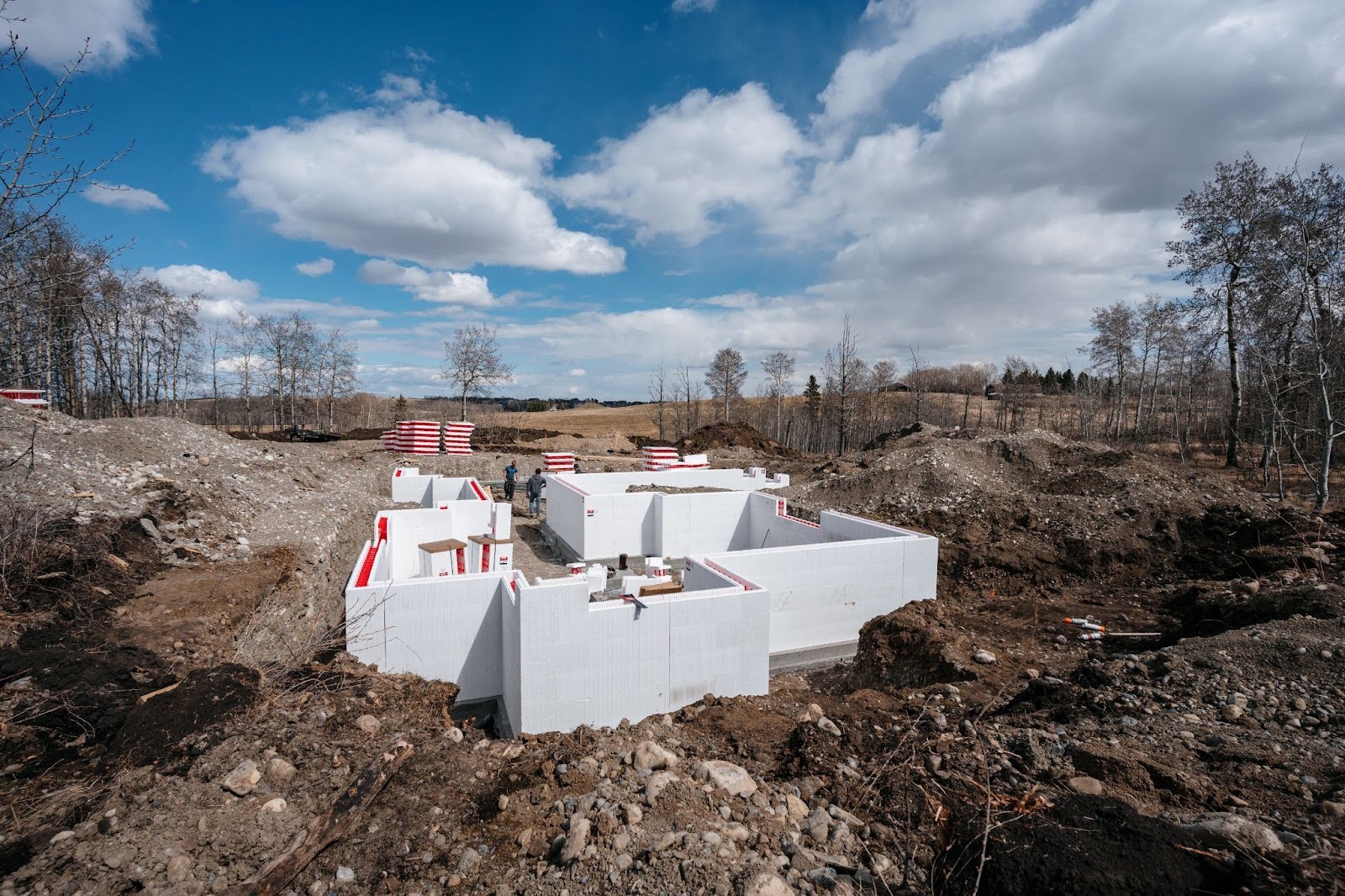
A frost-wall system usually uses footings placed below the local frost line, then a stem wall or short foundation wall, with a slab poured inside. In cold regions, this gives the structure a more stable perimeter while the slab handles floor use. It is common for garages with heavier walls, living space above, or a serious workshop plan.
The price rises because the work multiplies. Crews dig deeper, place footings, form walls, backfill, compact, and then pour the floor. That may sound like overkill for a basic parking garage, and sometimes it is. Yet for a garage with a second-floor studio in suburban Chicago, the deeper wall can be cheaper than future movement.
Frost depth footings also help when the garage connects to a long driveway apron or sits beside a steep grade. The foundation is not only holding a building; it is managing seasonal movement at the edges. That edge work often decides whether the door seals cleanly in February or drags after the first freeze.
The counterintuitive point is that a frost wall can make a garage feel easier to finish inside. You may get a cleaner curb, better wall separation from wet floors, and more predictable framing height. Those benefits do not show up in a bare concrete quote. They show up later, when you add cabinets, insulation, or a heater.
Piers and grade beams fit awkward sites, not every site
Pier-based systems can work when the ground slopes, flood risk exists, or a full slab would demand too much cut and fill. The piers carry loads down to better bearing, and beams tie them together. The floor may be framed above grade or paired with a separate slab detail depending on the design.
This can make sense for a backyard garage on a hillside in western Pennsylvania or a coastal outbuilding where elevation matters. It can also help when tree preservation limits excavation. Still, piers are not a shortcut for a normal flat lot. They need good layout, bracing, and engineering judgment.
The hidden downside is daily use. Garages want smooth vehicle access, easy sweeping, and a floor that tolerates wet tires. A raised framed floor may feel wrong for car storage unless the whole design supports that use. Piers solve ground problems, but they can create floor and ramp problems if the owner only thinks about the foundation bid.
There is also a resale angle. Buyers understand a solid slab or frost wall faster than a custom pier setup under a garage. That does not make piers wrong. It means the design should be clear, permitted, and documented. Keep drawings, inspection notes, and any engineering letter with your house records.
Plan the Slab Details Before the Walls Go Up
After you pick the foundation type, the small details start carrying the big outcome. The base can be code-accepted and still annoying to live with. Door thresholds, anchor bolts, control joints, vapor control, slope, and curb height decide whether the garage feels solid or fussy.
This is where homeowners often relax too early. They picked the main system, so they assume the hard decision is over. In practice, the finish height and edge details shape the daily experience more than the name of the foundation type. A garage that stays dry and sweeps clean feels better than one that only looked cheaper on paper.
Door openings are where small errors become daily problems
The overhead door is the most abused part of the slab edge. Rain blows against it. Snow melts there. Tires cross it every day. If the finished height is wrong, you can end up with water running in, a door seal that barely touches, or an apron that cracks where vehicles turn.
A smart plan sets the garage floor, driveway apron, and surrounding grade together. In snowy states, a slight lip can help keep meltwater out, but too much rise can catch a snowblower or create a rough vehicle entry. In rainy parts of the Southeast, the apron slope may matter more than the lip.
This is where a garage door weatherproofing guide can connect with foundation planning. Door seals are not magic. They work best when the slab gives them a fair surface. A poor threshold detail can make a new door look faulty when the real mistake sits in the concrete.
Ask where the saw cuts will land near the door, too. A control joint placed in the wrong spot can chip under tires or catch water. The apron should not fight the garage floor. Both pieces need to drain as one small system, not as two separate pours that meet by accident.
Reinforcement, joints, and base prep need one clear plan
Reinforcement does not prevent every crack. It helps hold movement tighter when cracks occur. Control joints do a similar job by giving the slab planned weak lines. The goal is not a floor with no cracks forever. The goal is a floor that cracks where expected and keeps serving the garage.
A monolithic slab garage may need different reinforcement at the thickened edge than at the center. A slab inside frost walls may need isolation from the wall in some designs. A concrete slab for garage storage may need extra attention where a lift, compressor, or heavy shelving will sit.
Base prep ties it all together. A compacted granular layer, proper moisture control, and a clean pour day beat fancy talk. For a homeowner adding a detached shop in Ohio, paying for better compaction and joint layout may do more good than upgrading finishes. The floor is a tool, not a showroom piece.
Plan the future before the pour. If you may add epoxy, a heater, a workbench wall, or a car lift, tell the contractor now. Add the detached garage planning checklist to your early notes so the base, electrical, drainage, and door layout do not fight each other later. Good concrete planning is quiet, but you feel it every time you open the garage.
Conclusion
A garage base is not a place to buy by habit. The lowest bid may work on a flat, dry, mild-climate lot. The same bid can fail on clay, slope, frost, or heavy use. Better planning begins with the ground, then moves to climate, load, drainage, and code.
The smartest detached garage foundation is the one that matches the building you will own five years from now, not the empty shell you picture on permit day. That means you should think about storage, heat, workshop loads, door traffic, and future resale before the forms go in. Garage foundation options only make sense when you compare them against those real demands.
Talk with your local building department before signing a contract, then ask each bidder to explain the base prep, drainage path, reinforcement plan, and finish height in plain language. If they cannot explain those details, keep looking. Concrete remembers rushed decisions.
Frequently Asked Questions
What is the best foundation for a detached garage in cold climates?
A frost-wall system is often the safer choice for cold regions, especially when the garage is large, heated, or built with heavy loads. Some shallow systems may work if designed and approved, but winter movement makes local frost rules a key part of the decision.
Is a slab-on-grade enough for a two-car garage?
It can be enough on stable soil in a mild climate when the local code allows it. The slab still needs good base prep, drainage, reinforcement, and proper control joints. For heavy storage, lifts, or frost-prone areas, ask for a stronger design review.
How thick should a garage slab be for normal parking?
Many residential garage slabs are planned around typical vehicle use, but thickness depends on soil, loads, reinforcement, and local rules. Heavy trucks, lifts, and poor sub-base conditions may call for added depth or a different system. Let the design match the use.
Are frost depth footings always required for detached garages?
No, local rules vary by climate, garage size, heat, soil, and foundation type. Some detached accessory buildings qualify for shallow systems. In cold regions, frost depth footings remain common because they reduce movement at the perimeter.
What is the advantage of a thickened-edge slab?
It gives the perimeter more support while keeping the floor and base in one pour. That can reduce labor and excavation compared with separate footings and walls. It works best on suitable soil with clear drainage and local approval.
Can I build a garage foundation on fill dirt?
You should be careful. Fill can settle if it was not placed and compacted in controlled layers. A builder or engineer may call for removal, added compaction, stone base, deeper footings, or piers depending on the depth and type of fill.
Does a detached garage slab need a vapor barrier?
Often yes, especially if you plan to heat the garage, store tools, use coatings, or protect finished surfaces. Moisture can move through concrete. Local practice varies, so ask your contractor how moisture control fits the slab design.
How do I compare contractor bids for a garage base?
Ask each contractor to list excavation depth, sub-base material, compaction method, reinforcement, joint layout, drainage plan, slab thickness, edge detail, and permit assumptions. A low bid that skips those items may not be cheaper after corrections.