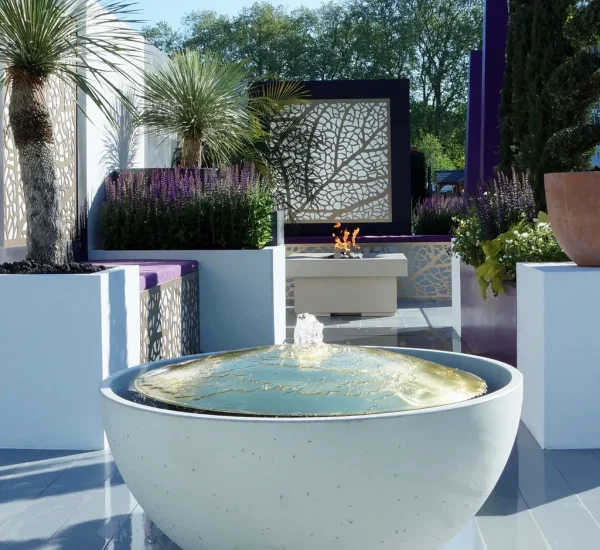
A patio can look expensive and still feel oddly empty. The missing piece is rarely another chair, a bigger planter, or a trend copied from a showroom; it is a clear point of attention that gives the whole outdoor area a reason to exist. Courtyard Focus Trends matter because outdoor rooms now carry more pressure than ever: they host morning coffee, late dinners, quiet calls, weekend guests, and the private pause people struggle to find indoors. A smart courtyard should not shout for attention from every corner. It should guide the eye, slow the body, and make one outdoor moment feel worth staying in. For homeowners, designers, and publishers shaping outdoor ideas, even a thoughtful resource network like home improvement visibility can help frame why patios have become more personal, more layered, and less decorative for decoration’s sake. The best courtyards now feel edited rather than filled, and that shift changes everything about how you plan them.
Courtyard Focus Trends That Make Outdoor Rooms Feel Intentional
A courtyard loses power when every feature competes for attention. The strongest spaces now begin with restraint, then build around one memorable feature that gives the patio a visual spine. This is where stylish patios separate themselves from crowded ones: they do not chase every idea at once, and they do not confuse abundance with beauty.
Designing Around One Strong Visual Anchor
A courtyard needs a main character. That anchor might be a sculptural olive tree, a low fire bowl, a tiled water wall, or a built-in bench wrapped around a planter. The exact choice matters less than the discipline behind it. When one feature carries the scene, everything around it starts to behave.
Many patios fail because the owner keeps adding fixes to cover discomfort. A rug appears, then lanterns, then mixed chairs, then a few pots, then string lights, and somehow the space still feels unfinished. The issue was never a lack of objects. The issue was that nothing had been asked to lead.
A strong anchor creates order without making the space stiff. For example, a small courtyard with plain concrete can become memorable with one oversized clay vessel planted with a Japanese maple. Add a narrow bench, warm wall lights, and gravel at the base, and the whole place feels considered. One brave choice often beats ten safe ones.
Why Negative Space Looks More Expensive Outdoors
Empty space makes people nervous. They see a blank courtyard corner and rush to fill it before the patio has time to breathe. That impulse usually cheapens the result. The most confident courtyard design often leaves more open space than expected because the eye needs rest before it can appreciate detail.
Negative space also changes how people move. A clear center path between a seating area and a planting edge feels calm, while a crowded layout forces awkward turns and clipped conversations. You notice the difference during a dinner, when someone can stand, walk, and return without everyone shifting chairs like pieces on a board.
This does not mean the courtyard should feel bare. It means every visible object should earn its place. A stone bench against a limewashed wall, a single lantern beside it, and climbing jasmine above can say more than a dozen scattered accessories. Silence has design value.
Materials and Textures That Give Patios Depth
Once the focal point is clear, the surface choices need to support it instead of stealing attention. Materials set the emotional temperature of outdoor living spaces, and that temperature matters more than people admit. Stone, timber, metal, plaster, gravel, tile, and fabric all speak differently under sun, rain, and evening light.
Mixing Hard Surfaces With Soft Edges
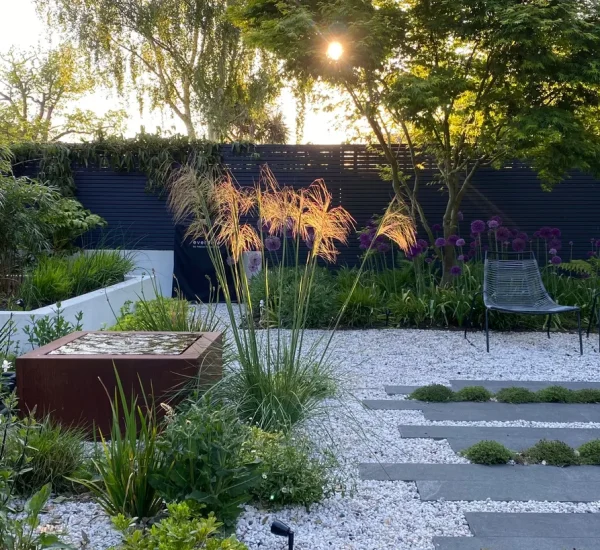
Hardscape gives a courtyard structure, but too much of it can make the space feel like an outdoor corridor. The better move is to pair firm surfaces with softened edges. Limestone pavers gain warmth when thyme creeps between them. A rendered wall feels less severe when a vine breaks its line. A concrete bench becomes welcoming when cushions sit low and relaxed.
The trick is contrast, not clutter. Smooth plaster beside rough stone creates a quiet tension. Timber slats near matte black metal feel current without becoming cold. Gravel beneath a lounge chair adds sound and texture, which matters because courtyards are experienced by ear and foot as much as by sight.
A real-world example is a narrow city patio boxed in by tall walls. Covering every wall with decorative panels would make it feel smaller. A better solution is to keep one wall plain, add a textured stone strip at ground level, and soften the opposite side with tall grasses. The courtyard gains depth without losing air.
Using Weathered Finishes Without Making the Space Look Old
Fresh perfection can feel strange outdoors. A patio lives under weather, dust, heat, shade, and use, so materials that age with grace often feel more natural than flawless finishes. Weathered oak, aged brass, terracotta, and hand-cut stone bring a lived-in quality that polished surfaces struggle to fake.
The mistake is confusing weathered with neglected. Patina works when the lines stay clean and the layout stays controlled. A rust-toned steel planter can look rich beside pale pavers, but broken furniture and faded cushions will drag the whole courtyard down. Character needs discipline.
This is where patio layout ideas become more than furniture placement. Place aging materials where touch and time make sense: a timber bench seat, a brass wall spout, a terracotta pot near the door. Keep high-traffic floors stable and easy to clean. Beauty should not punish daily use.
Planting Choices That Shape Mood and Movement
Planting is not decoration in a courtyard. It controls privacy, shadow, scent, rhythm, and emotional pace. Courtyard Focus Trends increasingly treat plants as architecture, not garnish, because greenery can build walls, frame views, and soften sound in ways hard materials cannot.
Layering Greenery for Privacy Without Closing the Space
Privacy often gets handled too aggressively. Tall fences, dense hedges, and heavy screens may block neighbors, but they can also trap heat and make a courtyard feel boxed in. A better approach layers plants at different heights so the boundary feels alive rather than sealed.
Start with one vertical layer, such as pleached trees, bamboo in contained planters, or slim evergreens. Add a middle layer with shrubs or ornamental grasses, then finish with low herbs or groundcover near seating. The result filters views instead of killing them. That distinction matters.
Outdoor living spaces work best when privacy feels natural. A breakfast table beside rosemary, lavender, and a small citrus tree creates a sense of retreat without turning the patio into a bunker. The scent arrives before the visual effect does, which makes the space feel intimate in a way fencing never can.
Choosing Plants for Shadow, Scent, and Seasonal Change
Good planting thinks beyond how the courtyard looks in a photo. The right tree can cool a wall in summer, drop patterned shade over a chair, and mark the seasons with flowers or fruit. The wrong plant can shed endlessly, block a path, or outgrow the space before the second year.
Small courtyards often benefit from plants with multiple jobs. A bay tree can frame an entry, carry scent, and stay clipped. Star jasmine can cover a wall and perfume warm evenings. Ferns can soften shaded corners that furniture would only make awkward.
Seasonal change adds emotional value too. A patio that looks the same every month may stay tidy, but it rarely feels alive. One deciduous tree, a few flowering bulbs, or a shifting mix of herbs can make the courtyard feel connected to time. That quiet shift keeps people returning.
Furniture, Lighting, and Flow for Daily Use
A courtyard becomes successful only when people use it without effort. Pretty furniture means little if chairs scrape badly, lights glare into faces, or the table sits too far from the kitchen. The best stylish patios work because every choice respects the body as much as the eye.
Planning Seating That Supports Real Conversation
Outdoor seating often gets arranged for symmetry rather than comfort. Two chairs placed perfectly opposite a sofa may photograph well, but real conversation usually needs softer angles. People relax faster when seats turn slightly toward each other instead of forming a formal interview setup.
Scale matters here. A giant sectional can swallow a modest courtyard and leave no room for movement. Two lounge chairs, a compact bench, and a small drinks table may serve the space better. The goal is not maximum seating; it is the right seating for the way you actually live.
A practical test helps. Carry a tray from the kitchen to the patio, sit down, stand up, move around the chairs, and imagine one guest arriving late. If the layout fails that small scene, it will fail a real evening. Design should pass ordinary life before it tries to impress anyone.
Lighting the Courtyard Like a Room, Not a Stage
Bad lighting can ruin a good courtyard faster than bad furniture. One harsh overhead fixture flattens texture, creates glare, and makes everyone look uncomfortable. Layered lighting works better because it gives the eye places to land without turning the patio into a display window.
Wall lights should wash surfaces, not blast faces. Low lights near steps help people move safely. Lanterns, small table lamps, and hidden uplights can create warmth around plants and seating. The best effect feels calm, as though the courtyard has settled into evening on its own.
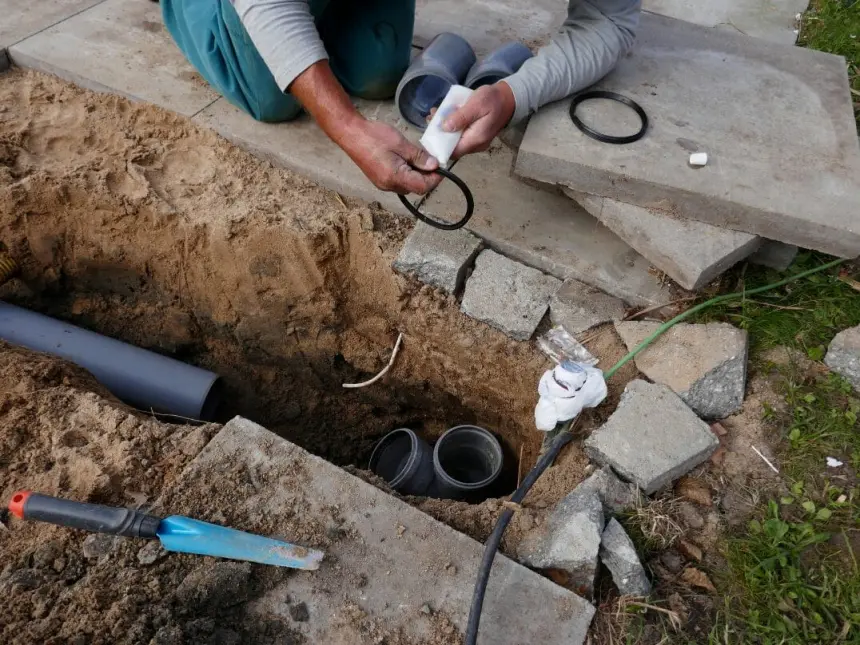
Patio layout ideas should always include lighting from the start. Run power before final paving. Decide where shadows should fall before buying fixtures. Think about what the courtyard looks like from indoors at night, because that view often becomes part of the home’s daily pleasure.
Conclusion
A memorable courtyard is not built by collecting trends. It comes from choosing a clear focus, giving it room, and letting every material, plant, chair, and light support that decision. Courtyard Focus Trends point toward a better kind of outdoor design, one that feels personal rather than packed and calm rather than staged. The strongest patios now act like outdoor rooms with a pulse: they change through the day, invite real use, and hold attention without begging for it. Start with the one thing your courtyard should make people feel, then remove anything that fights that feeling. Choose the anchor, shape the space around it, and let restraint do some of the work. Your next step is simple: walk outside, pick the feature worth building around, and design the courtyard as if that one choice matters most.
Frequently Asked Questions
What are the best courtyard design ideas for small modern patios?
Small courtyards work best with one clear focal point, slim furniture, layered planting, and lighting that washes walls rather than fills the whole space. Keep the center open where possible, then use edges for benches, planters, and texture.
How do stylish patios feel expensive without a large budget?
A patio feels expensive when it looks edited. Choose fewer pieces, repeat materials, invest in one strong anchor, and keep surfaces clean. Cheap clutter costs more visually than a simple bench, a strong planter, and warm lighting.
What patio layout ideas help improve outdoor flow?
Good flow starts with clear walking paths, seating that does not block doors, and tables placed within easy reach. Test the layout by carrying food, moving chairs, and walking around guests before committing to heavy furniture or built-ins.
How can outdoor living spaces feel private without tall walls?
Layer plants at different heights, use partial screens, and place seating where sightlines feel protected. Filtered privacy usually feels better than full enclosure because it keeps light, air, and openness while still reducing exposure.
What plants work well as a courtyard focal point?
Olive trees, Japanese maples, citrus trees, sculptural palms, and large clipped evergreens can all work well, depending on climate and light. The best choice has shape, seasonal interest, and a scale that fits the courtyard without crowding it.
How should lighting be planned for modern patios?
Plan lighting in layers: wall washing for texture, low path lighting for movement, and small warm fixtures near seating. Avoid one harsh overhead light. The aim is comfort, not brightness for its own sake.
What materials make a courtyard feel warm and natural?
Terracotta, limestone, timber, gravel, aged metal, and textured plaster bring warmth because they respond well to light and weather. Pair hard paving with soft planting so the courtyard feels grounded rather than cold.
How often should courtyard decor be updated?
Update small details seasonally, but keep the main layout stable. Cushions, herbs, lanterns, and movable pots can shift through the year, while flooring, built-ins, and major planting should be chosen for long-term use.