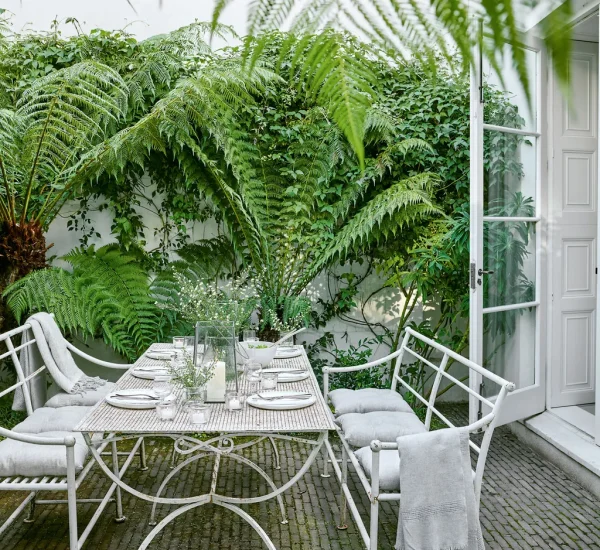
A patio can look expensive and still feel oddly unfinished. The missing piece is often not money, furniture, or square footage; it is direction. Strong Courtyard Focus gives the eye somewhere to land, which makes even a small outdoor area feel planned instead of patched together. When you treat the courtyard as a living space rather than leftover ground, every chair, planter, light, and pathway starts carrying purpose. That shift matters, especially when outdoor rooms now compete with kitchens and lounges as places where people relax, host, and reset. A polished patio does not need marble floors or a designer budget. It needs choices that know when to speak and when to stay quiet. Even a modest update, supported by thoughtful planning and a smart outdoor design approach, can turn a flat patio into a place with mood, movement, and presence. The best spaces do not beg for attention. They hold it.
Why Courtyard Focus Turns an Ordinary Patio into a Designed Space
A courtyard gains power when it stops acting like a storage zone for outdoor furniture and starts behaving like a room with a center of gravity. The strongest patios usually have one clear moment that organizes everything around it. That moment might be a dining table under a tree, a sculptural planter, a low fire feature, or a single wall covered in climbing greenery. The point is not drama for its own sake. The point is control.
How patio focal points shape the whole layout
Patio focal points work because the eye wants a destination before it notices details. Without one, your patio can have nice chairs, good cushions, and healthy plants yet still feel unsettled. A focal point tells the space where to begin, and that gives every surrounding piece a reason to exist.
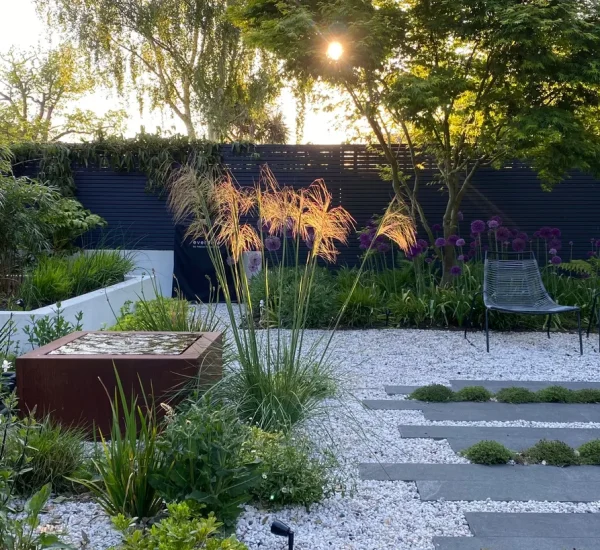
A round table under a pendant light, for example, naturally pulls chairs inward and creates a social center. A water bowl near a blank wall can soften a tight corner and make the far end of the courtyard worth walking toward. These choices do not need to shout. In fact, quiet patio focal points often feel more refined because they let the rest of the space breathe.
The mistake many homeowners make is spreading attention everywhere. They buy four statement pieces, then wonder why the patio feels busy. One confident anchor beats five competing accents every time.
Why courtyard design needs restraint before decoration
Good courtyard design starts with subtraction. Before adding new furniture or accessories, look at what already distracts the space. A mismatched storage box, too many small pots, a loose hose, or a random grill placement can weaken the whole patio before any design choice has a chance to work.
Restraint does not mean bare. It means the space has discipline. A narrow courtyard with one built-in bench, two large planters, and warm lighting can feel richer than a large patio crowded with loose chairs and scattered decor. Scale matters less than editing.
A useful test is simple: stand at the main entry point and notice where your eye goes first. If the answer is “everywhere,” the patio needs focus before it needs another purchase.
Courtyard Focus Ideas That Make Stylish Patios Feel Intentional
A stylish patio should feel pulled together without feeling staged. The best outdoor rooms carry a sense of ease, as though every piece landed there because it belonged. That effect comes from building one main visual idea, then letting the rest of the patio support it with texture, proportion, and rhythm.
Using stylish patios to create one strong visual story
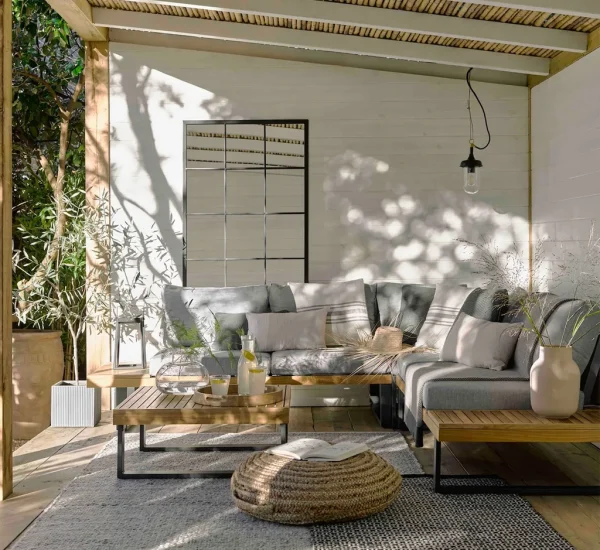
Stylish patios often succeed because they commit to a mood. A courtyard built around pale stone, linen cushions, olive trees, and black metal lanterns tells a different story from one shaped by terracotta tiles, woven chairs, citrus pots, and warm wood. Neither is better. The weaker space is the one trying to be both.
Your visual story should match how you use the patio. A quiet reading courtyard needs softer edges, deeper shade, and fewer hard surfaces. A dining patio needs clear circulation, enough table space, and lighting that flatters food and faces. Form follows life, not the other way around.
One smart move is to choose a lead material and repeat it with care. If weathered wood appears in the bench, echo it in a tray or planter stand. If stone defines the floor, bring a related tone into the tabletop or wall feature. Repetition creates order without making the space feel copied and pasted.
How outdoor seating ideas affect comfort and flow
Outdoor seating ideas can make or break the patio because seating controls how people move, talk, and settle. A sofa pushed against the wrong wall may look fine in a photo but feel awkward in real use. Chairs floating without a table nearby often become decoration, not a place anyone chooses to sit.
Start with the main activity. If you host dinners, prioritize a table that fits the space with breathing room around it. If you drink coffee alone in the morning, a compact lounge chair with a side table may matter more than a full conversation set. Comfort comes from honesty.
The counterintuitive move is to leave more empty space than feels natural at first. Patios need negative space the same way interiors do. A clear walking path, an open patch of flooring, or a bare section of wall can make the furnished areas feel more deliberate.
Materials, Lighting, and Greenery That Add Depth Without Clutter
Once the main layout has direction, the next layer decides whether the courtyard feels flat or alive. Materials, lighting, and planting carry the emotional weight of the space. They create warmth, shadow, texture, and softness. The trick is choosing layers that deepen the patio without turning it into a display shelf.
Choosing surfaces that support courtyard design
Courtyard design becomes stronger when surfaces work together instead of fighting for attention. Flooring, walls, planters, and tabletops should feel related, even when they are not identical. A concrete floor can pair well with timber furniture because one feels cool and the other feels warm. Brick can sit beautifully beside aged metal because both carry character.
Surface choices also affect temperature and sound. Pale stone can brighten a shaded courtyard, while darker decking can make a sunny area feel heavier than intended. Gravel may look charming, but it can be noisy under dining chairs and annoying around bare feet. Beauty that irritates you every day is not good design.
A grounded example helps: in a small townhouse patio, replacing five tiny planters with two large limestone containers can change the whole mood. The plants look healthier, the floor looks cleaner, and the courtyard suddenly feels grown-up.
How layered lighting improves patio focal points
Lighting should not blast the patio evenly from one harsh source. It should guide attention, flatter texture, and make the main feature feel alive after sunset. A wall light grazing across brick, a lantern near a bench, or low path lighting around a planter can do more than a bright ceiling fixture ever will.
Patio focal points gain strength when lighting treats them like part of the evening experience. A small tree uplighted from below becomes sculpture. A dining table under a warm pendant feels like a gathering place. A water feature with a gentle glow carries movement even when the rest of the space sits still.
The best lighting plan usually has three layers: a soft general glow, task light where people eat or read, and accent light for the main feature. Skip cold bulbs. Outdoor spaces need warmth because night already brings enough sharpness.
Practical Styling Choices That Keep the Patio Easy to Live With
A courtyard should not become a delicate showroom that collapses after one windy afternoon. The smartest patio choices look good, age well, and make everyday use easier. Style matters, but maintenance decides whether you still love the space six months later.
Outdoor seating ideas that survive daily use
Outdoor seating ideas need to answer one blunt question: will you still want to sit here after rain, dust, heat, and regular life have had their say? Thin cushions that soak through, pale fabrics with no protection, and flimsy chairs that wobble on uneven paving may look tempting at first. They lose charm fast.
Choose seating with enough weight to feel stable and enough softness to invite longer use. Removable cushion covers, washable fabrics, and frames that tolerate weather are not boring details. They are what keep the patio from becoming another chore.
A bench with storage can work in a tight courtyard, but only when it does not look like a compromise. Add a proper seat pad, two firm back cushions, and a nearby surface for drinks. Suddenly it reads as a tailored built-in moment rather than a box trying to be furniture.
Styling stylish patios without creating visual noise
Stylish patios depend on editing more than shopping. Accessories should support the main mood, not compete with it. A tray, a pair of lanterns, one oversized pot, and a textured outdoor rug can carry more elegance than a dozen small decorative items scattered across every surface.
Color also needs discipline. Pick a base palette from fixed elements such as flooring, walls, and doors, then add one or two accent tones through cushions, flowers, or ceramics. When every item introduces a new color, the courtyard starts feeling restless.
The strongest styling often comes from scale. One large planter near a doorway has more authority than six small pots lined along a wall. One generous rug can connect a seating group better than several little mats. Bigger, fewer, better: that rule saves more patios than any trend.
Conclusion
A beautiful courtyard is not built by filling space. It is built by deciding what deserves attention and letting everything else support that decision. Once you understand that, every choice becomes cleaner: the chair moves into the right corner, the planter grows in scale, the light warms the wall, and the empty space stops feeling unfinished. Courtyard Focus is less about decoration than judgment. It asks you to notice where the patio feels scattered, then give it one clear reason to come together. Start with the view from the doorway, choose the one feature that should hold the space, and remove anything that weakens it. Your next step is simple: walk outside, pick the strongest possible focal point, and build the patio around that single confident move.
Frequently Asked Questions
What are the best courtyard design tips for small patios?
Start with one anchor feature, such as a bench, planter, table, or wall detail. Keep furniture slim, choose larger containers instead of many small pots, and leave visible floor space. A small patio feels bigger when the layout has order and breathing room.
How do patio focal points improve an outdoor space?
They give the eye a clear place to land, which makes the whole area feel planned. A focal point can also guide furniture placement, lighting, and planting choices. Without one, even expensive patio pieces can feel scattered.
What outdoor seating ideas work best for narrow courtyards?
Built-in benches, folding bistro chairs, and slim lounge seats work well in narrow areas. Place seating along the longest wall to keep movement clear. Add a small side table so the space feels useful, not cramped.
How can stylish patios look polished on a budget?
Focus on editing before buying. Remove clutter, group plants by size, refresh cushions, clean surfaces, and add warm lighting. One large planter or one strong outdoor rug can make a bigger impact than several cheap decorative pieces.
What plants work well as courtyard focal points?
Small trees, sculptural shrubs, climbing vines, and oversized container plants make strong focal points. Olive trees, Japanese maples, citrus trees, and tall grasses can all work, depending on climate and sunlight. Choose one plant with shape, not several weak fillers.
How should lighting be used in courtyard design?
Use warm, layered lighting instead of one bright overhead source. Combine soft general light with task lighting near seating and accent lighting around the main feature. This approach makes the patio feel comfortable, calm, and usable after dark.
What mistakes make patio focal points feel messy?
Too many statement pieces, mismatched planters, harsh lighting, and cluttered walls can weaken the focal point. A strong patio needs one main visual anchor. Everything nearby should support it through scale, color, or placement.
How do outdoor seating ideas affect patio comfort?
Seating decides how people gather, move, and stay. Comfortable chairs, nearby surfaces, shade, and clear paths make the patio easier to use. Good seating should fit your habits first, then your design style.