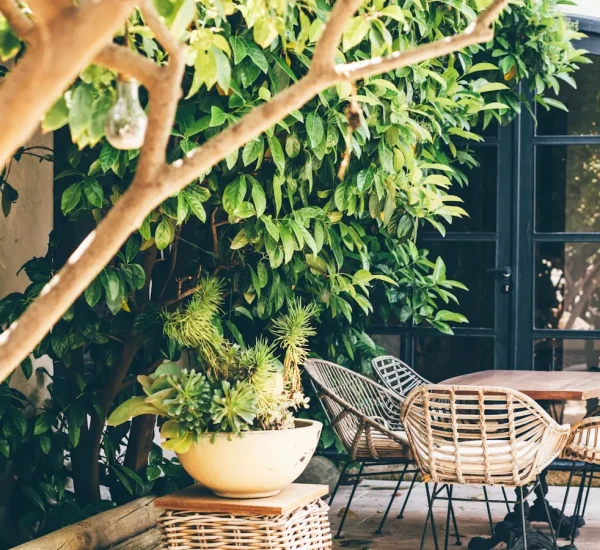
A courtyard can change the whole mood of a home before anyone reaches the front door. It is not spare outdoor space; it is the quiet center that can make a house feel grounded, private, and deeply considered. Strong courtyard ideas begin with restraint, not decoration, because elegance usually comes from knowing what to leave out. A single tree, a stone path, a textured wall, or a shaded bench can do more than a crowded mix of furniture and pots ever could.
The best courtyards feel intentional from the first glance. They give you a reason to pause, breathe, and look again. For homeowners, designers, and brands shaping refined spaces, thoughtful presentation matters as much as the design itself, which is why platforms focused on property and lifestyle visibility can help place beautiful ideas in front of the right audience. A courtyard should not compete with the home. It should make the home feel calmer, richer, and more complete.
Courtyard Ideas That Start With a Strong Center
The center of a courtyard carries more weight than most people expect. When that middle area feels vague, the whole space drifts. When it has purpose, everything around it begins to make sense. This is where elegant courtyard design starts: not with buying furniture, but with deciding what the eye should meet first.
Build Around One Clear Visual Anchor
A courtyard needs one lead character. That may be a sculptural olive tree, a low water bowl, a stone plinth, a built-in fire feature, or even a single oversized planter with a plant that has real presence. The mistake comes when every object tries to become the moment. A courtyard with five focal points has none.
A strong anchor gives the space confidence. In a narrow city courtyard, for example, one Japanese maple against a limewashed wall can hold the entire view from the kitchen window. You do not need a dozen accessories when one living form changes with light, wind, and season.
This is also where elegant courtyard design becomes more than surface styling. The anchor should connect to the architecture around it. A sharp modern home may suit a clean stone basin, while a softer Mediterranean-style house may feel better with aged terracotta and climbing greenery.
Let Empty Space Do Real Work
Empty space is not wasted space. It gives the courtyard its breath. Many outdoor areas fail because every corner gets filled too quickly, as though silence in design were a flaw. It is not. Silence is often the part that makes beauty land.
A clean patch of gravel, a simple paved square, or an open strip beside a bench can make the entire courtyard feel larger. In small courtyard style, this matters even more because visual clutter shrinks the space before anyone steps into it.
The counterintuitive truth is that less furniture can make a courtyard more usable. A crowded setup may look generous in a showroom, but at home it becomes awkward fast. You need space to walk, turn, carry a tray, water plants, or sit without scraping your knees on a table. Elegance begins when movement feels easy.
Shaping Privacy Without Closing the Space
Once the center feels steady, the next challenge is enclosure. A courtyard should feel protected, but not boxed in. That balance can be tricky. Too open, and the space feels exposed. Too closed, and it starts to feel like an outdoor storage room with better flooring.
Use Screens That Filter Instead of Block
Privacy works best when it softens views rather than kills them. Timber slats, patterned metal panels, woven cane, and tall planting can create separation while still allowing air and light to pass through. A wall may solve one problem, but it can create another by making the courtyard feel heavy.
Outdoor living spaces often feel better when privacy has layers. A low wall might define the seating area, while tall grasses blur the boundary beyond it. The effect feels relaxed because the eye can still travel. Nothing feels trapped.
A real-world example helps here. A ground-floor apartment courtyard facing nearby windows does not always need a full-height barrier. A row of pleached trees, a slim pergola beam, and linen outdoor curtains can create enough softness for daily use without turning the space into a bunker.
Make Boundaries Feel Like Design, Not Defense
A courtyard boundary should not look like it was added in panic. Fences, walls, and screens become part of the room, so they deserve the same care as flooring or furniture. Paint, texture, planting, and lighting can make a privacy solution feel designed rather than defensive.
Courtyard landscaping plays a strong role in this. A plain wall can become rich with espaliered citrus, creeping fig, or a disciplined row of planters. The planting does not need to hide the wall completely. Sometimes the contrast between structure and foliage creates the charm.
Small courtyard style benefits from vertical thinking. When ground area is limited, walls become the garden. A narrow shelf for herbs, a climbing vine on wire, or wall-mounted ceramic pots can lift the eye and free the floor. You gain beauty without losing movement, which is the quiet win every compact courtyard needs.
Choosing Materials That Age With Grace
Privacy gives the courtyard comfort, but materials give it character. This is where many spaces lose their elegance. Glossy finishes may look impressive for a week, then show dust, scratches, and weather marks with no mercy. A courtyard lives outside. It needs materials that can age without looking tired.
Favor Texture Over Shine
Texture carries warmth in a way shine rarely can. Honed stone, handmade brick, clay tile, weathered timber, brushed concrete, and gravel all bring depth without shouting. They respond to light through the day, which makes the courtyard feel alive even when nothing has changed.
Elegant courtyard design often depends on this quiet richness. A limestone path beside rough plaster feels calm because both materials have depth. A polished tile floor beside a plastic-looking fence rarely gives the same feeling, even if both cost more than expected.
The unexpected point is that perfect finishes can make an outdoor area feel less refined. Nature is uneven. Light is uneven. Plants grow in uneven ways. Materials with slight variation sit better in that world, while glossy surfaces often look nervous outdoors, as though they are waiting to be damaged.
Keep the Palette Tight and Honest
A courtyard does not need many materials. Two or three strong choices can carry the whole space. Stone underfoot, plaster on the wall, timber on the seat. That is often enough. Once you add too many finishes, the courtyard starts to feel assembled instead of designed.
Courtyard landscaping should support the material palette rather than fight it. Silver-leaf plants beside pale stone create a cool, soft mood. Deep green foliage against dark timber feels intimate and grounded. Clay pots beside warm paving bring an earthy rhythm that suits relaxed homes.
Outdoor living spaces also need materials that make daily life easier. Pale cushions may look beautiful, but they become a burden if the courtyard gathers dust or sits under trees. A darker woven seat pad, washable slipcovers, or quick-dry fabric can keep the space inviting without constant fuss. Beauty should not demand babysitting.
Lighting and Furniture That Create Atmosphere
Materials set the tone, but lighting and furniture decide whether the courtyard gets used. A beautiful space that feels harsh at night or uncomfortable after ten minutes becomes a photograph, not a room. The goal is atmosphere with purpose.
Layer Light So the Courtyard Glows, Not Glares
Courtyard lighting should never feel like a security flood unless safety demands it. Soft wall lights, low path lights, hidden uplights, and small table lanterns create depth without flattening the space. The best lighting makes people look better, plants look fuller, and surfaces look richer.
A dining courtyard, for example, may need a pendant under a pergola, but that should not be the only source. A warm glow on a nearby wall and a low light near planting can make the whole setting feel more generous. Light should guide the eye, not attack it.
This is where courtyard ideas become practical rather than decorative. If you use the space after sunset, test the lighting from inside the house too. The courtyard often becomes a view at night, and a softly lit tree outside a living room window can make the interior feel larger and calmer.
Choose Furniture by Behavior, Not Fantasy
Furniture should match how you live, not how a catalog thinks you live. A courtyard used for morning coffee needs different pieces than one built for six-person dinners. A reading corner needs back support, shade, and a side table within reach. A social courtyard needs seats that face each other without blocking the path.
Small courtyard style punishes fantasy purchases. Oversized lounge sets may promise comfort, but they can swallow the entire floor. Built-in benches, slim chairs, nesting tables, and round bistro sets often work better because they respect the room’s limits.
Outdoor living spaces feel more elegant when furniture leaves breathing room around it. A bench along a wall can open the center. A round table can soften a square courtyard. One generous chair can beat four cramped ones. Comfort is not measured by how much furniture fits; it is measured by how natural the space feels when you use it.
Frequently Asked Questions
What are the best courtyard ideas for elegant small spaces?
Choose one focal point, keep furniture slim, and use vertical planting to save floor area. A small courtyard feels elegant when every piece has a reason to be there. Avoid clutter, use soft lighting, and repeat a tight material palette for a calmer look.
How can elegant courtyard design improve a home entrance?
A refined courtyard can slow the arrival experience and make the home feel more intentional. Use a clear path, layered planting, and one strong feature near the entry. The goal is to create a graceful pause before someone steps inside.
What courtyard landscaping works best for low maintenance homes?
Use hardy plants, gravel beds, large planters, and drip irrigation where possible. Structured evergreens, ornamental grasses, and drought-tolerant plants keep the space attractive without constant care. Good soil preparation matters more than adding more plants later.
How do outdoor living spaces feel more private without high walls?
Layered screening works better than one heavy barrier. Combine tall planting, slatted panels, pergola beams, curtains, or trellis work. This keeps light and airflow moving while reducing direct views from neighbors or nearby rooms.
What is the easiest way to upgrade small courtyard style?
Start by removing anything that weakens the space. Then add one quality focal point, better lighting, and a cleaner seating layout. Small courtyard style improves fastest when you edit first and decorate second.
Which materials suit elegant courtyard design best?
Natural stone, brick, clay tile, timber, gravel, and limewashed surfaces all age well outdoors. Choose materials with texture rather than shine. A limited palette usually feels more refined than a mix of many finishes competing for attention.
How can courtyard landscaping make a narrow space look wider?
Use diagonal paving, wall planting, layered greenery, and a focal point at the far end. Keep the center clear where possible. Repeating similar planters or plants along one side can also create rhythm without making the courtyard feel crowded.
What furniture works best for outdoor living spaces in courtyards?
Built-in benches, round tables, slim chairs, and nesting pieces work well because they save room and support movement. Choose furniture based on how you use the courtyard daily, not on how it looks in a showroom. Comfort and scale matter most.